The Victorian Era, a time often romanticized for its grand architecture and sprawling empires, was also a period of stark contrasts and newfound societal structures. Beneath the polished veneer of the era lay a tapestry of everyday lives, filled with both challenges and triumphs. From the smoky streets of industrial towns to the quiet lanes of country estates, the rhythm of Victorian life was dotted with innovations and traditions that defined the age.
1. Daily Routines Of The Victorians
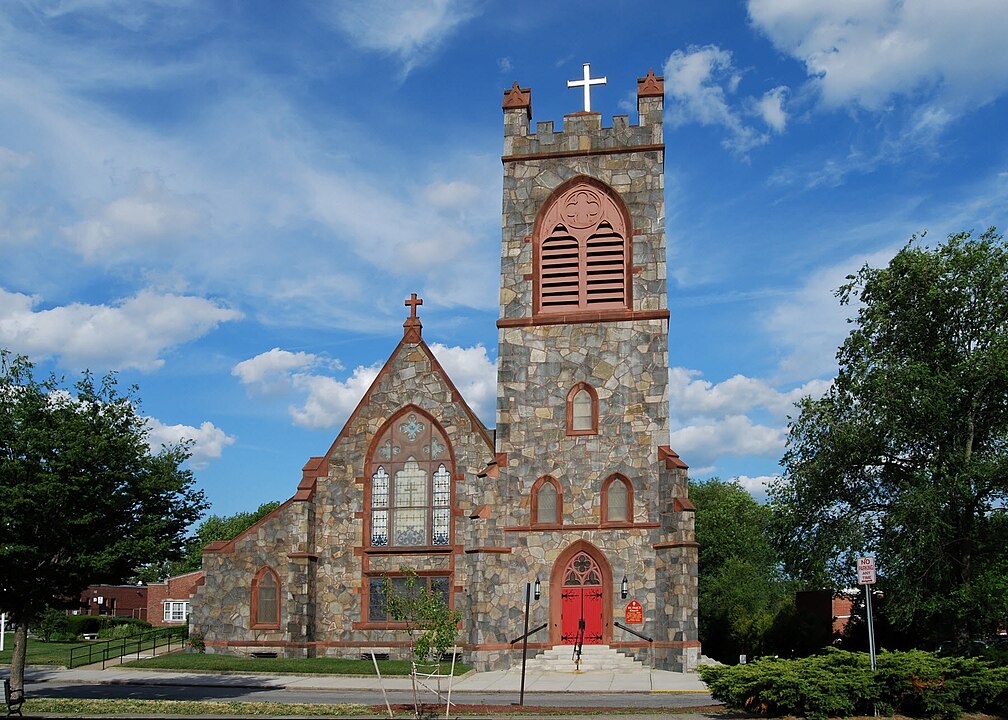
For many Victorians, the day began with the clamor of church bells or factory whistles. Urban dwellers navigated bustling streets on foot or in horse-drawn carriages, enveloped by the hum of industrial progress. Children might be found in schools if their families could afford it, while others contributed to family earnings. In rural areas, the day echoed with farm chores, tethered to the cycles of season and sun. Leisure was rare, reserved for Sunday afternoons, when families gathered for simple pleasures and parks filled with hopeful dreams of escape.
2. Victorian Homes And Living Conditions
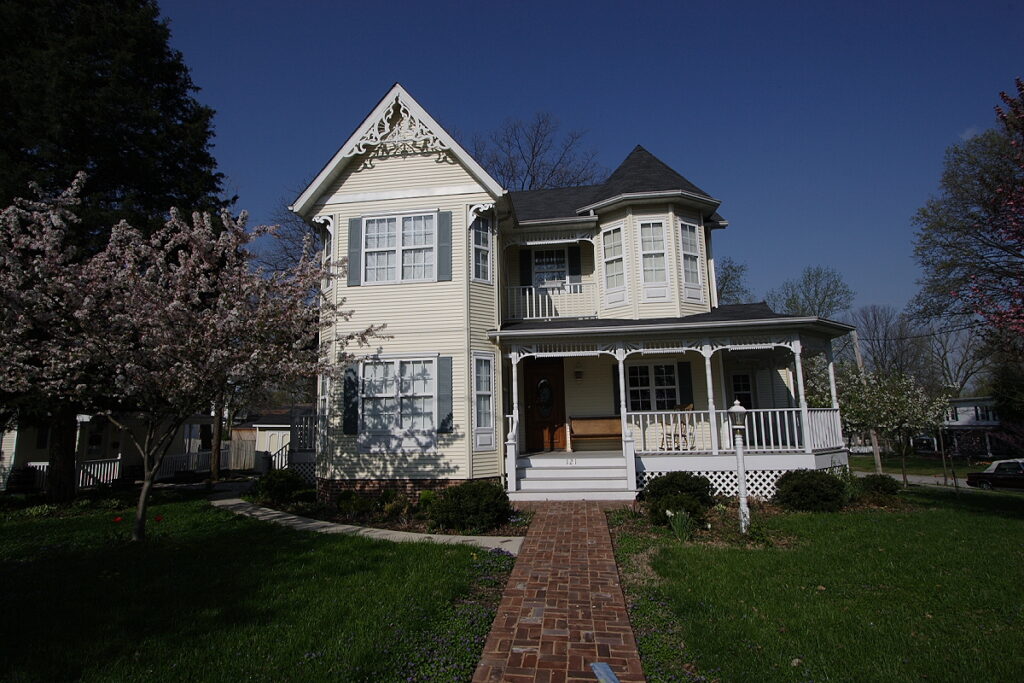
Behind the brick facades of Victorian homes lay a spectrum of living conditions reflecting stark societal divides. The wealthy might enjoy ornate drawing rooms, adorned with heavy drapery and decorative trinkets, a testament to their status. Yet, in contrast, the working-class families crammed into tenements, with sparse furnishings and basic amenities. The looming soot from factories often crept indoors, coating walls and lungs alike, the physical imprint of advancing industry upon everyday life.
3. Fashion And Clothing Trends
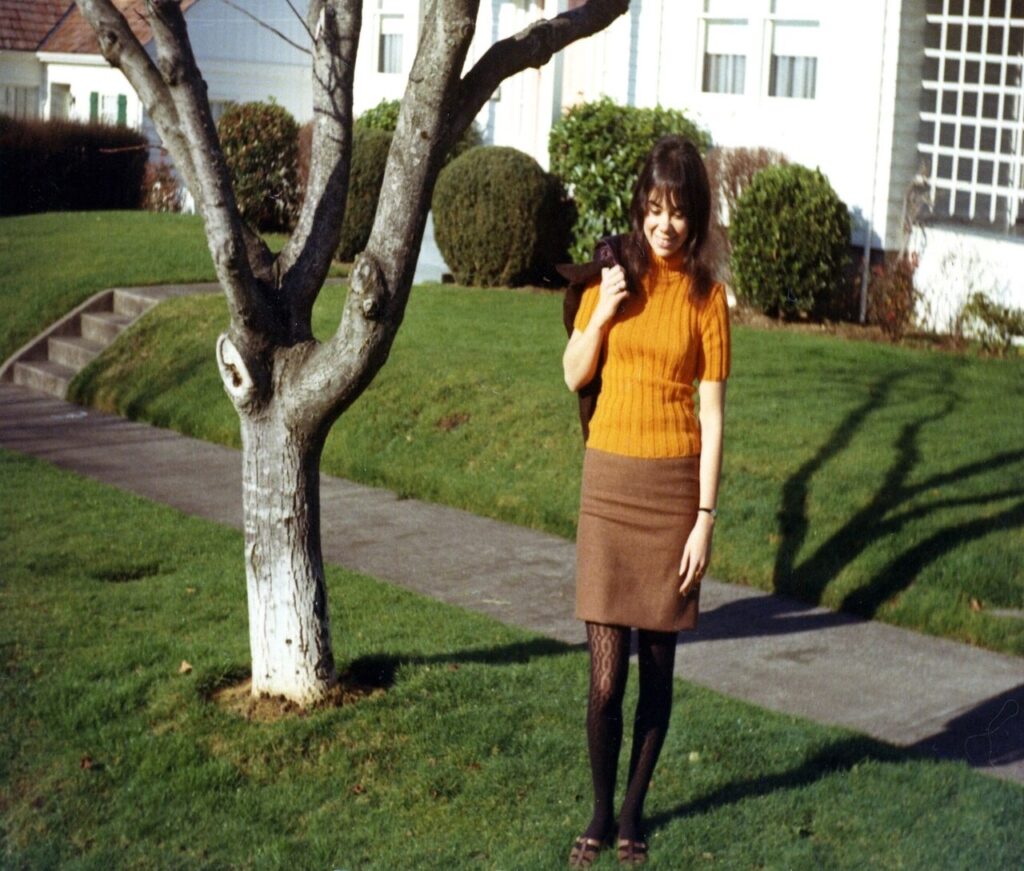
Victorian fashion was emblematic of the era’s social hierarchies and moral codes. For women, tightly cinched corsets emphasized tiny waists beneath layers of crinoline, even as they symbolized restrictive societal roles. Men donned tailored suits, projecting an air of authority and respectability. Yet, clothing also spoke of practicality—work wear for laborers was simple, sturdy, and soot-resistant. Across all classes, clothing became more accessible with mechanized production, yet always a whisper of one’s place in society.
4. Food And Dining Customs
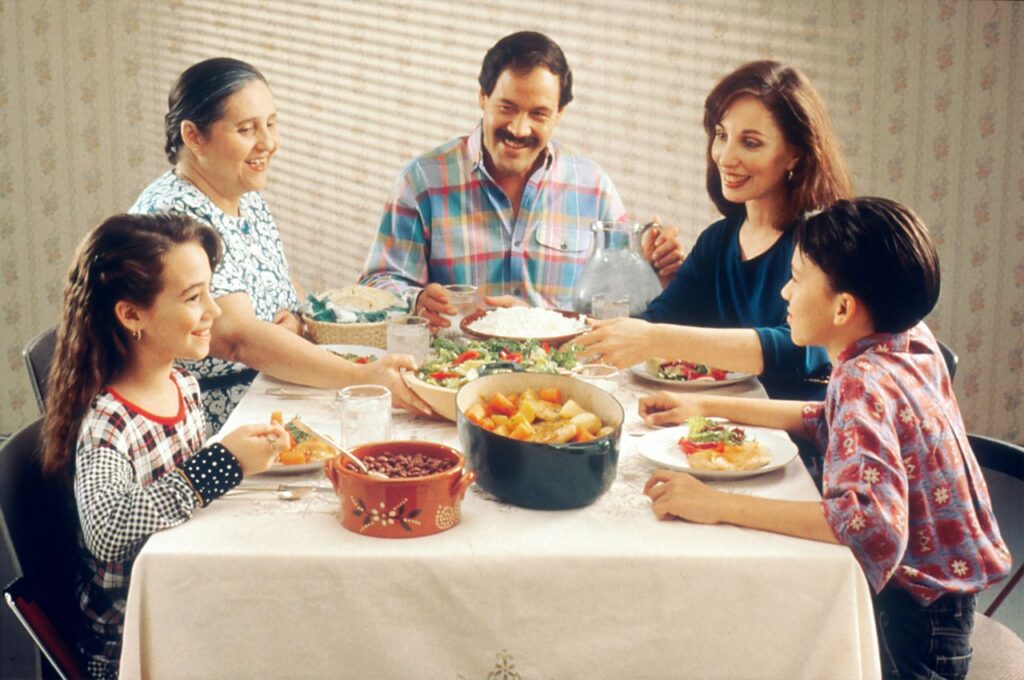
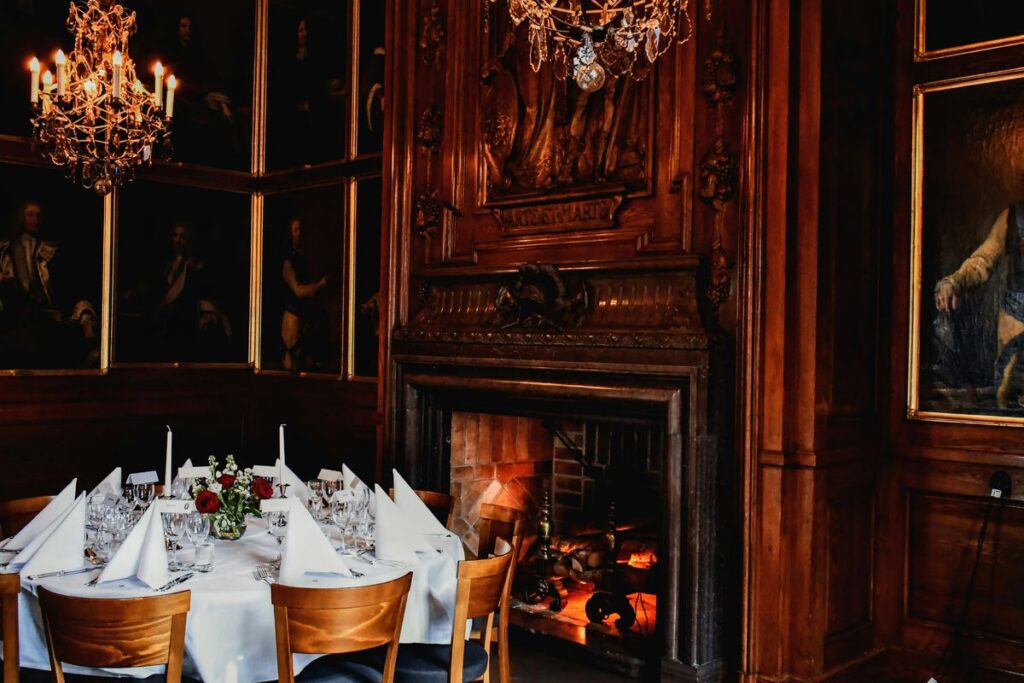
Dining in the Victorian era encompassed a broad spectrum, from opulent feasts to humble meals. The wealthier classes indulged in multi-course dinners, replete with fine china and exotic ingredients, showcasing imperial ties. Meanwhile, the working classes often sustained themselves on bread, potatoes, and tea—a meal dictated by affordability. Amidst this, the rise in food adulteration scandals prompted early food safety reforms. Afternoon tea emerged as a societal fixture, providing a pause in the day for conversation and refreshment.
5. Health And Medicine Practices

Navigating health in the Victorian era was a precarious journey. Medicine was a blend of mysticism and emerging science. Doctors ventured guesses with treatments like bloodletting and mercury, while sanitation remained a distant dream. Yet, amidst the haze of outdated remedies, the germ theory began to take root. This revolutionized medicine, progressively steering society away from superstition. The public, often wary of physicians, relied on home remedies and patent medicines, underscoring a fascinating clash between old beliefs and scientific breakthroughs.
6. Education And Childhood Life
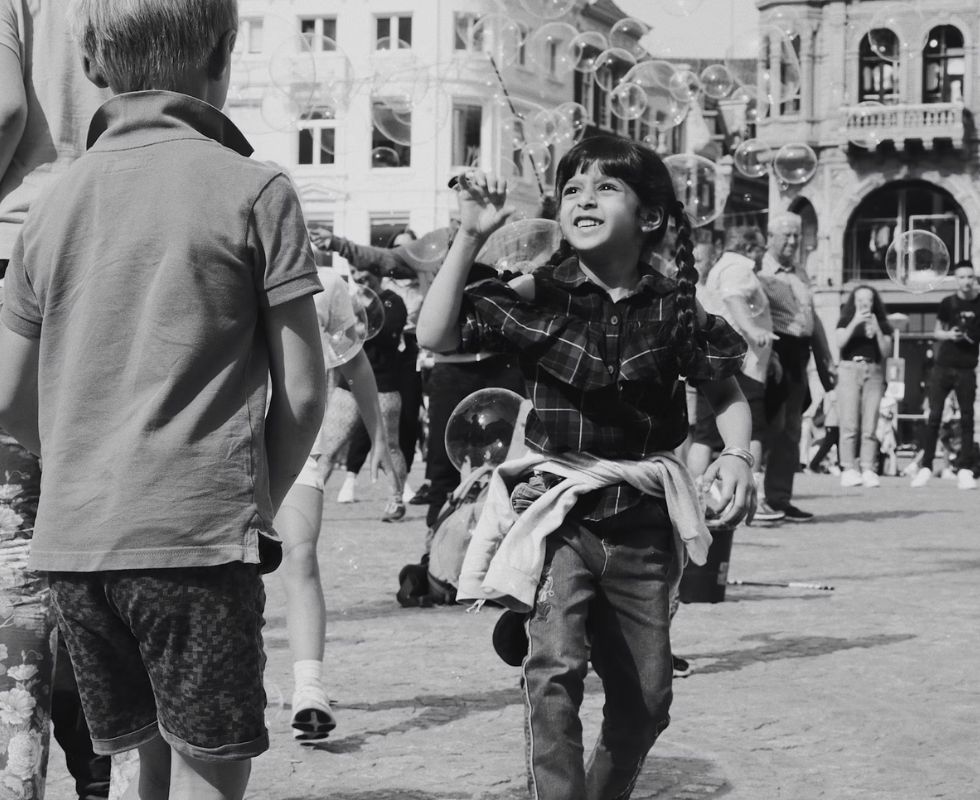
For children of this era, education was a complex tableau of opportunity and limitation. The burgeoning industrial age demanded skilled workers, leading to the advent of compulsory schooling. Yet, this was a privilege often reserved for the middle and upper classes. Working-class children frequently sacrificed youth for factory floors. Their education, if any, was sporadic and rudimentary, shadowed by economic necessity. For the lucky few, education opened doors, paving paths in a rapidly changing world, highlighting the era’s stark social divides.
7. Marriage And Family Dynamics
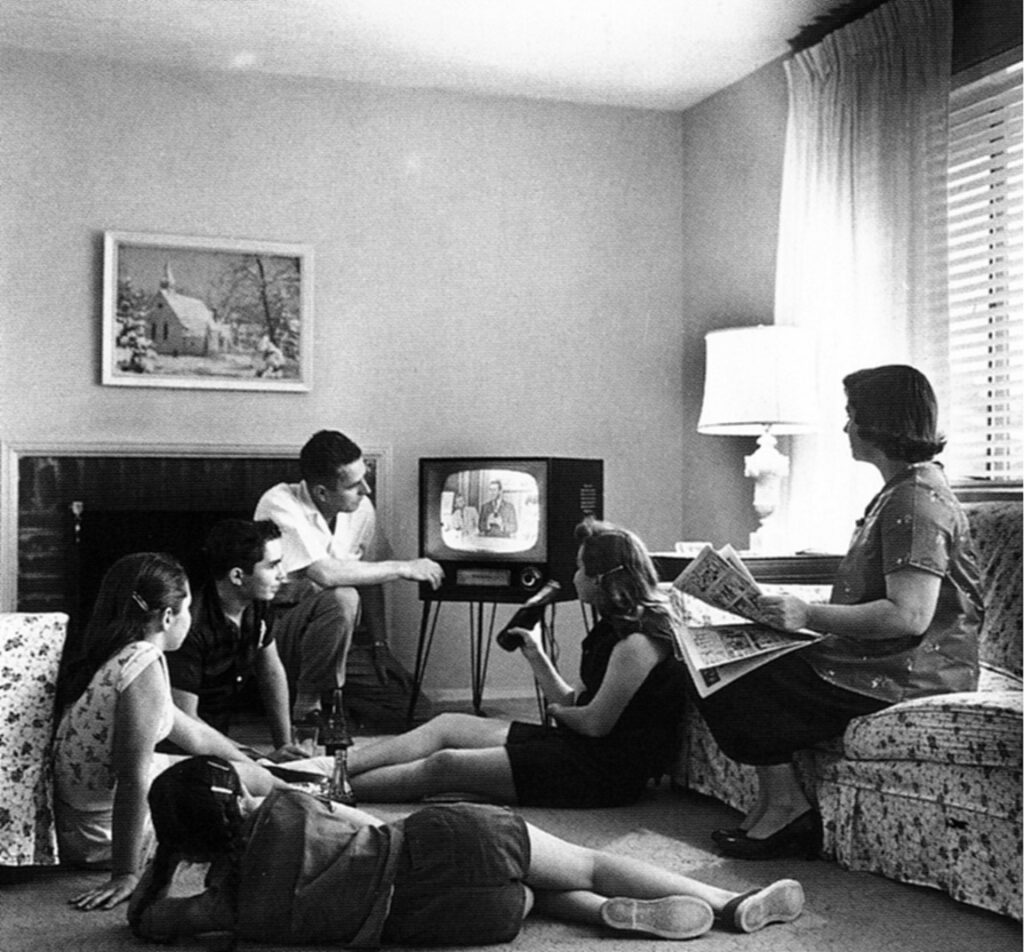
Victorian marriage operated within strict societal frameworks, a dance of duty and social expectation. Women, often seen as moral guides, were expected to fulfill domestic roles, while men navigated the public sphere. Marriages were commonly arranged more as alliances than romances. The family unit was the societal cornerstone, yet whispered beneath the surface were stories of suffocating social norms. Divorce, though possible, was scandalous. These dynamics encapsulated both emotional intimacy and societal imprisonment, shaping domestic life in profound ways.
8. Work Culture And Occupations
The Victorian workforce was a mosaic of innovation and exploitation. Industrialization drew millions into factories, where long hours and perilous conditions were the norm. Skilled artisans found themselves slowly replaced by machines, sparking resentment and sometimes violent protest. Yet, this era also heralded the rise of professions—medicine, law, and engineering flourished. The stark contrast between burgeoning middle-class stability and working-class struggle painted a vivid picture of ambition and adversity, illustrating the complex dance of progress and hardship.
9. Social Class And Leisure Activities
Victorian leisure was a mirror of social strata, offering both escape and reinforcement of class boundaries. The upper crust enjoyed opulent balls and exclusive clubs, crafting identities around elegance and refinement. Meanwhile, the working class found solace in the simple pleasures of pubs, music halls, and football matches. Amidst these activities, the era saw the birth of organized sports and public parks, democratizing leisure time. While pleasure was universal, access and expression were dictated by rigid class lines, highlighting the era’s intricate social fabric.