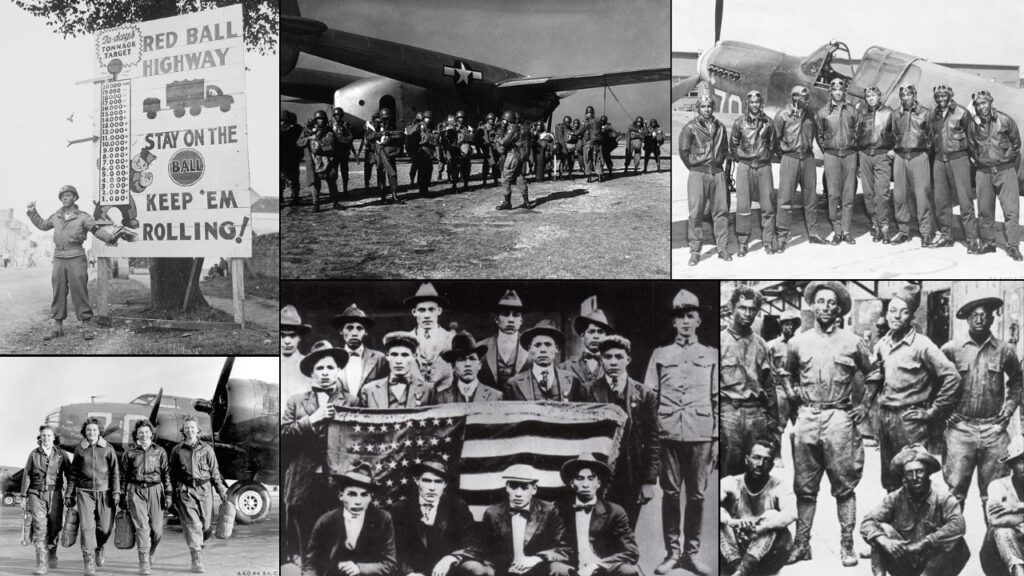
In the tapestry of American military history, certain threads shine brighter, not because they were gilded with praise at the time, but because their stories are woven with grit, defiance, and an undying fight for recognition. These tales of segregated units challenge our understanding of courage. By illuminating their overlooked struggles and triumphs, we rediscover not just bravery in battle but resilience in the human spirit against prejudice, laying down a legacy that transcends the battlefield.
Tuskegee Airmen Soar into History
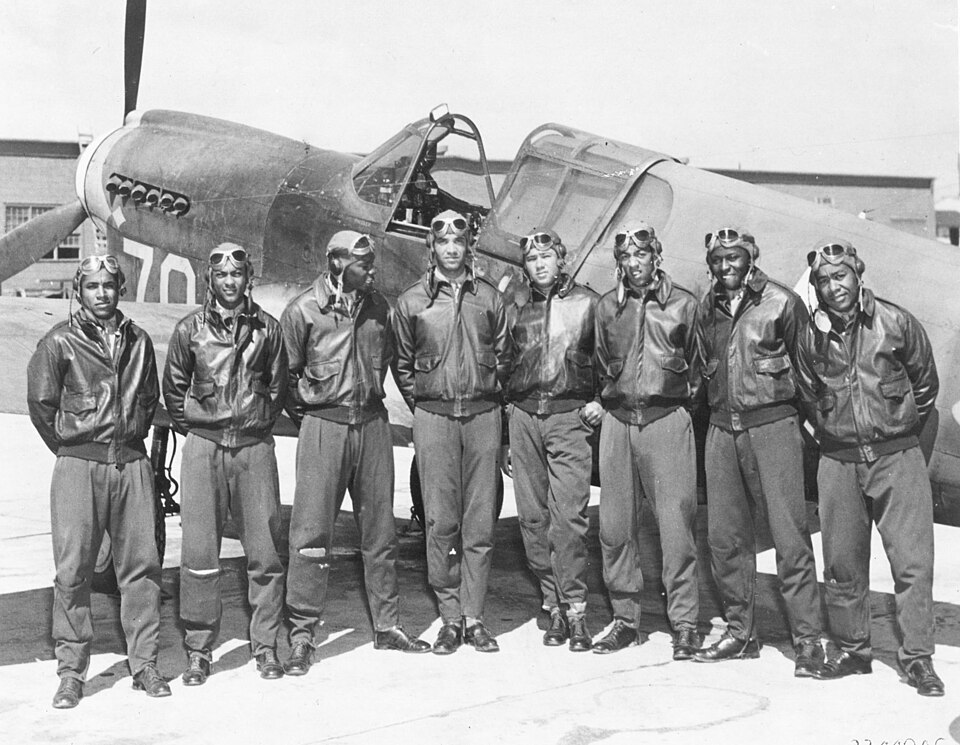
In the skies over wartime Europe, the Tuskegee Airmen did not merely pilot planes; they dismantled stereotypes. These skilled African American fighter pilots flew with the Red Tails, their aircraft standing out both in color and in valor. Faced with skepticism from their own countrymen, they proved their prowess repeatedly, earning a sterling combat record. Their legacy, however, extends beyond dogfights. It lay in eroding racial barriers, forcing a nation to reconsider its biases amid the chaos of war.
Buffalo Soldiers: Pioneers of Valor
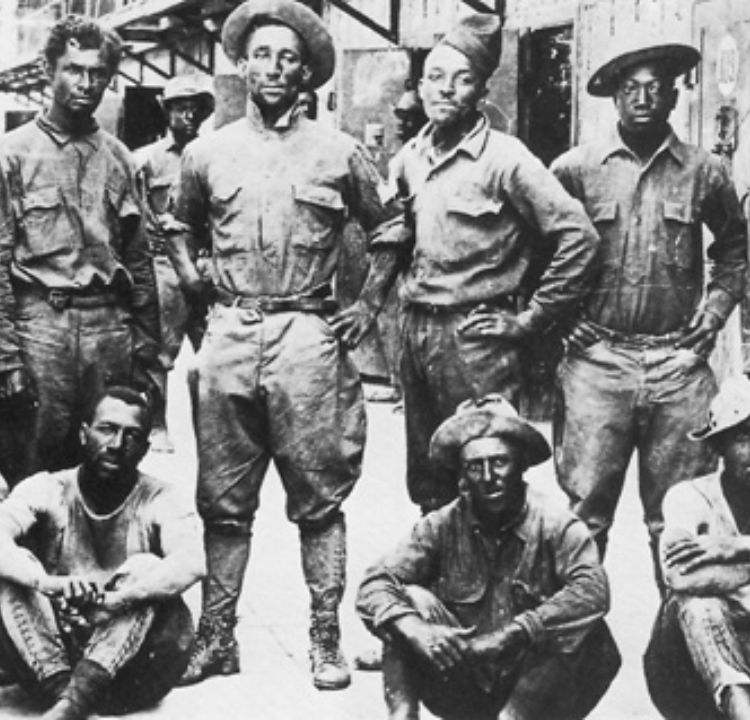
Emerging post-Civil War, the Buffalo Soldiers patrolled hostile frontiers with unmatched resilience. African American regiments like the 9th and 10th Cavalry faced double battles: one against native tribes and another against institutional racism. In treacherous terrains, they stood as unyielding sentinels—a testament to their unrecognized bravery. The medallions they earned weighed heavier with the burdens of prejudice, yet their contribution to expanding the American narrative cannot be overstated.
Navajo Code Talkers: Unbreakable Signals
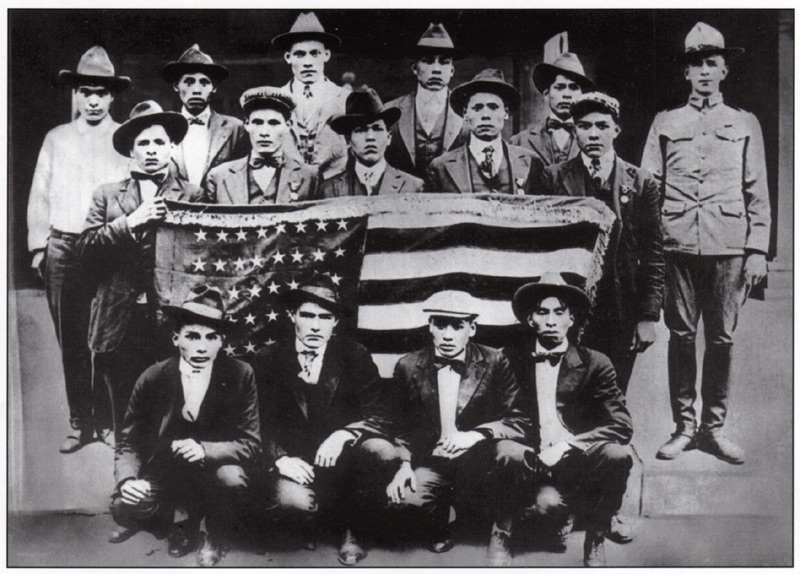
In the throes of World War II, the Navajo Code Talkers forged an uncrackable code from their native tongue. This hidden language shielded U.S. military strategies from Axis interception. Operating under the radar, their contribution was quietly revolutionary, ensuring that communication lines remained secure on the Pacific front. Their efforts were cloaked in secrecy, yet their coded messages reverberated long after, paving the way for acknowledgment and a reevaluation of indigenous patriotism.
442nd Regimental: Only the Brave
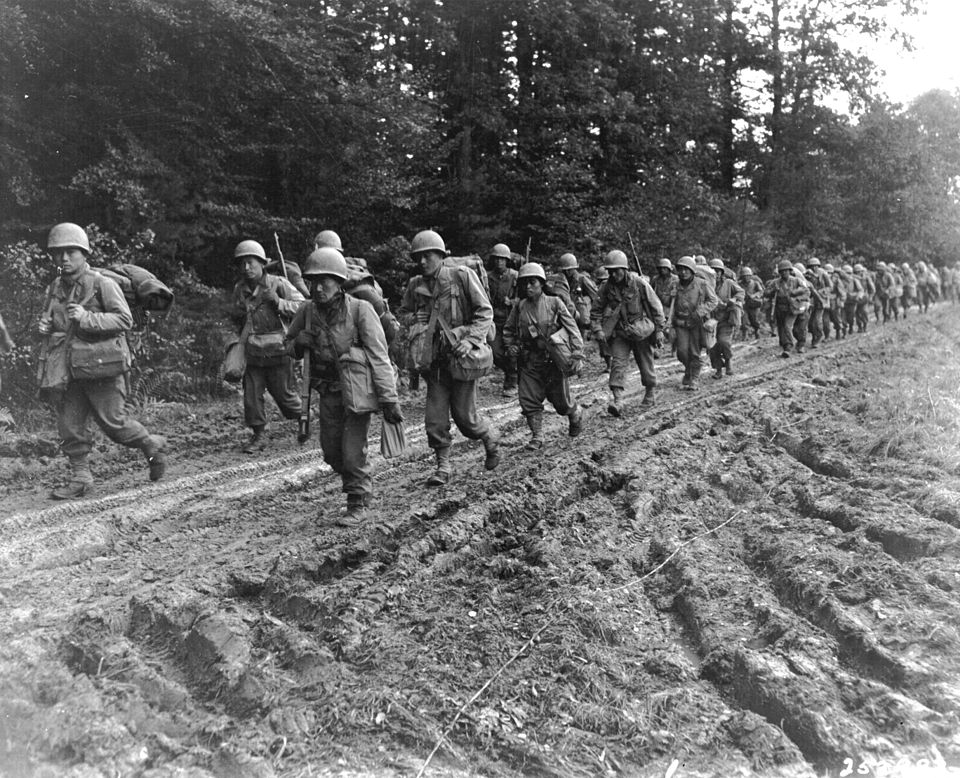
Composed of Japanese Americans, many from internment camps, the 442nd Regimental Combat Team bore the motto, “Go for Broke,” embodying a fierce determination. They fought valiantly in Europe, becoming the most decorated unit for their size. Yet, their prowess was shadowed by a chilling irony: they defended freedoms abroad rarely afforded to them at home. Amidst gunfire, they battled racial prejudice, carving a legacy steeped in both valor and the unyielding quest for justice.
Triple Nickles: Pioneers in the Sky
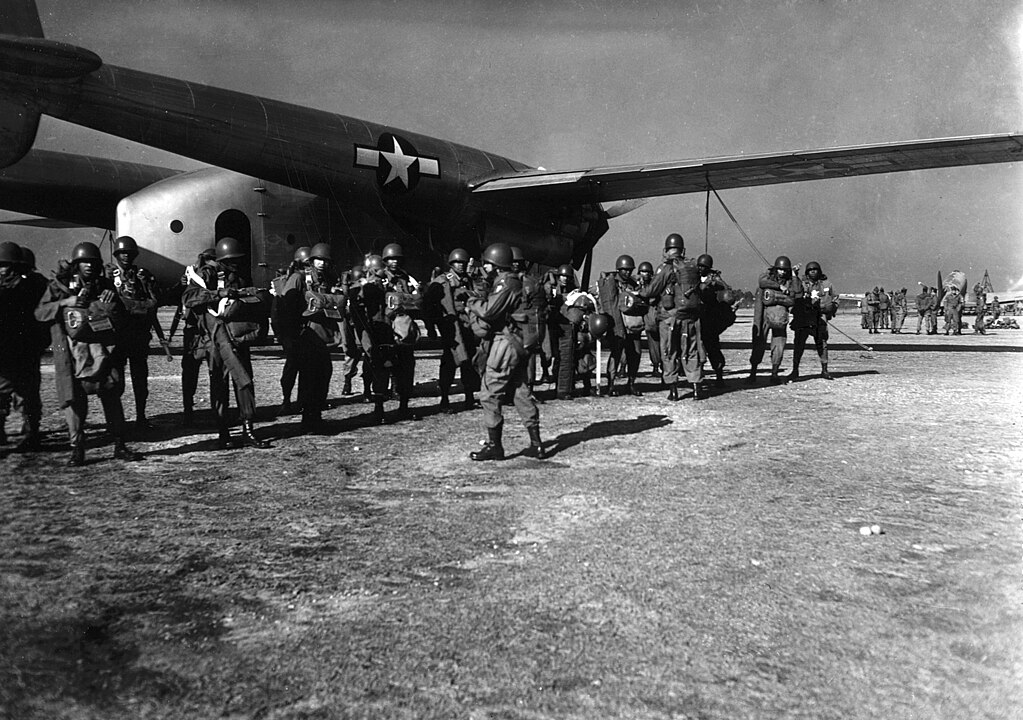
The Triple Nickles, or 555th Parachute Infantry Battalion, soared into history as America’s first all-Black paratrooper unit. During World War II, these men faced fierce opposition not just from enemies abroad but from deep-rooted racism at home. Instead of jumping into battle overseas, their mission transformed when they were tasked with domestic defense against potential Japanese incendiary balloon bombs. Their vigilant forest patrols saved countless acres, demonstrating that protecting the homeland required both courage and innovation, even amidst segregation.
Women Airforce Service Pilots: Breaking Barriers
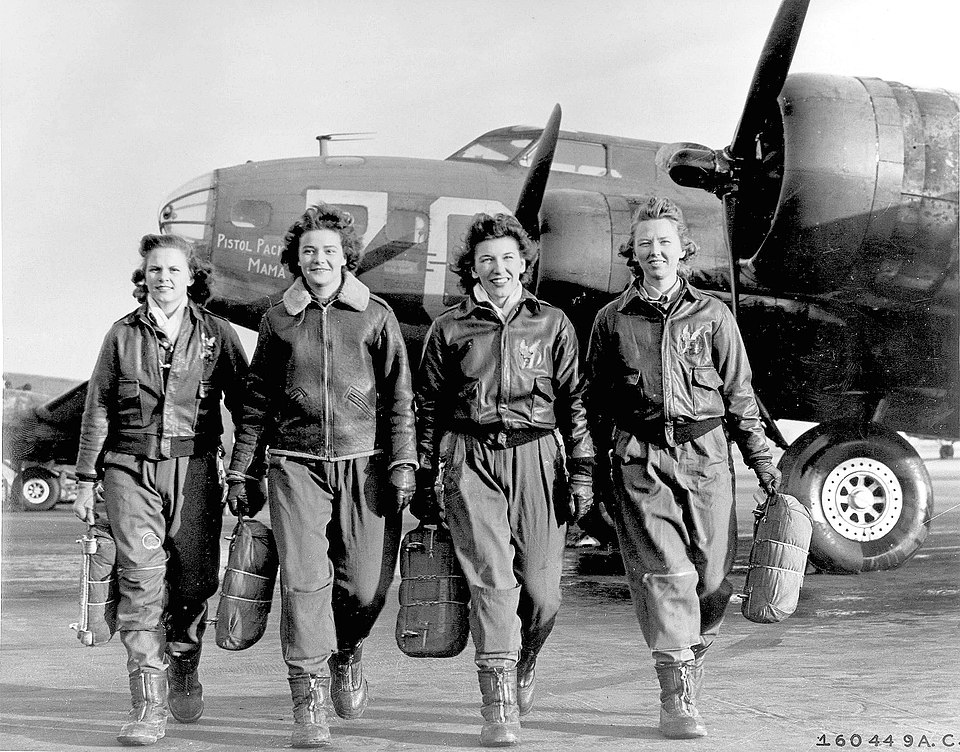
Women Airforce Service Pilots (WASP) carved a niche in aviation history by bravely stepping into roles that their male counterparts left vacated during World War II. These trailblazers trained rigorously, flying test missions, transporting aircraft, and towing targets for live ammunition practice. Facing skepticism and often outright discrimination, they proved their mettle and changed perceptions. Their legacy lingered, quietly yet persistently igniting transformations in military gender roles, setting the stage for future generations of women in the armed forces.
The Harlem Hellfighters: Against All Odds
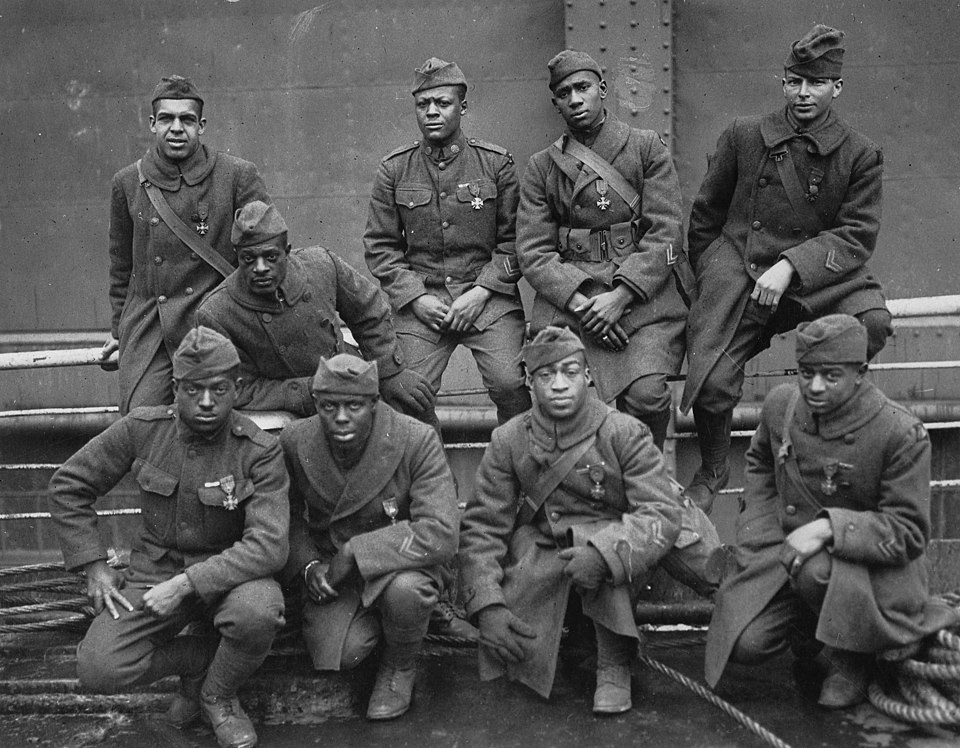
The Harlem Hellfighters, officially the 369th Infantry Regiment, displayed unparalleled bravery on the World War I front, serving longer in combat than any other American unit. Despite confronting segregation within their ranks at home, they earned fierce respect on the battlefield, later being awarded France’s highest military honor, the Croix de Guerre. Their music, too, reverberated across Europe, introducing jazz to a delighted new audience. This musical diplomacy bridged cultures, proving that triumph in war wasn’t solely defined by weaponry but by cultural legacy.
Montford Point Marines: Trailblazers

Montford Point Marines shattered racial barriers as the first African American recruits in the U.S. Marine Corps during World War II. Stationed at a segregated base in North Carolina, they were subjected to the harsh prejudices of their time. Yet these Marines excelled, supporting both Pacific victories and setting a precedent for desegregation within the military. Their tenacity and commitment under duress laid the groundwork for future equality, demonstrating that courage often manifested off the battlefield, in the pursuit of dignity and respect.
The Red Ball Express: Supply Line Heroes
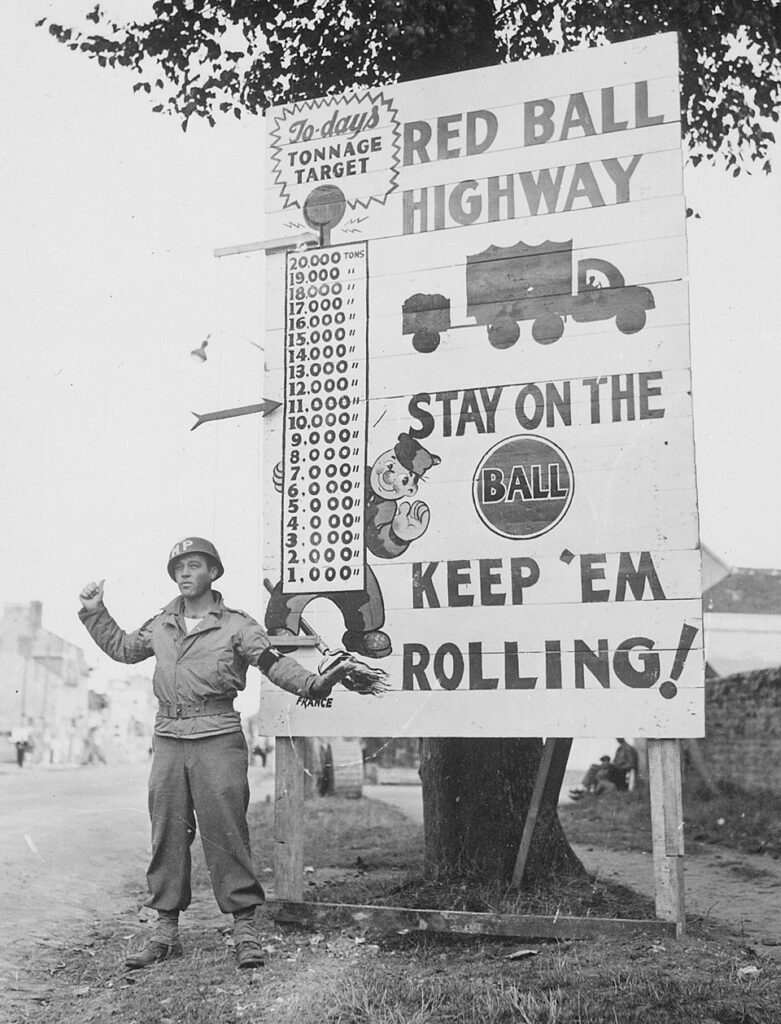
The Red Ball Express, largely manned by African American soldiers, was a logistical marvel during World War II, ensuring Allied forces were supplied across Europe post-D-Day. Facing a rapid-paced war, these convoys braved perilous roads and enemy threats to deliver vital supplies. Working tirelessly, they not only overcame racial segregation but proved indispensable to military success. The echoes of these unsung heroes resonate still, a testament that victory often rides not just on the strength of arms but the dedication of those behind the scenes.