


History often veers into the curious when we examine the unexpected roles governments play in everyday life. The U.S. government’s interventions, ranging from peacekeeping to the downright peculiar, reveal quirky sides often overshadowed by grand narratives. Delving into these strange yet illuminating episodes, we unearth stories that highlight ingenuity, mistakes, and humor. These interventions, though lesser known, offer insights into human resilience and the unintended consequences of government action.
Operation Catapult: The Post-War Cleanup
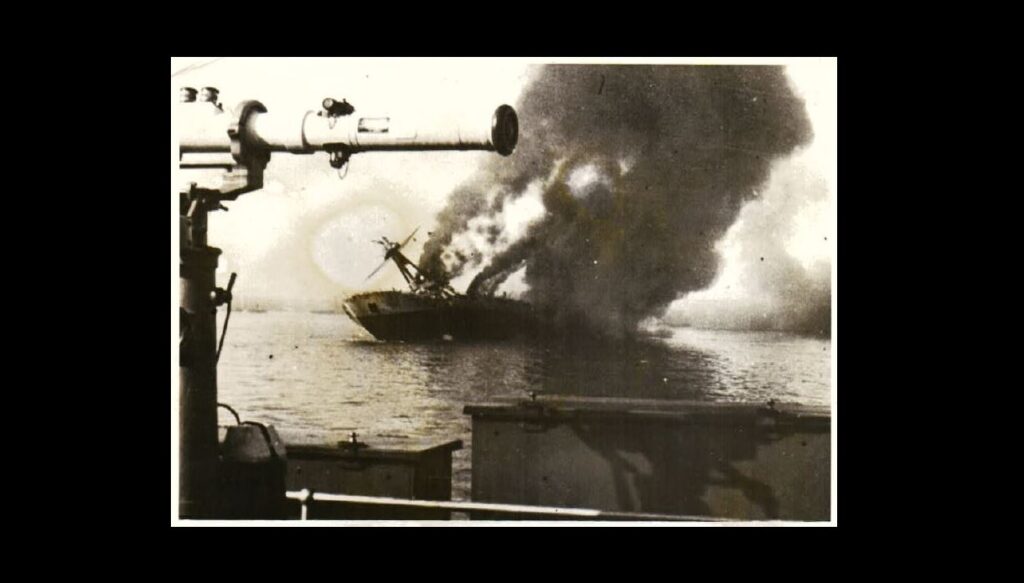
Amidst the jubilant aftermath of World War II, the U.S. faced an unlikely challenge: an immense stockpile of military surplus. Operation Catapult was launched to handle the sprawling array of equipment strewn across Europe. Rather than simply discarding these materials, the operation aimed to repurpose and sell everything from tanks to kitchen supplies to nations rebuilding from the rubble. This left an indelible mark on post-war economies, infusing resources while highlighting the logistical prowess of a nation keen on avoiding new confrontations.
Control of Duck Populations in Michigan

In an unexpected turn, the U.S. government decided to tackle the skyrocketing duck populations in Michigan during the 1960s. Essentially, these birds were eating farmers out of house and home, decimating crops with alarming efficiency. Through a delicate balance of federal funding, habitat management, and hunting regulations, wildlife agencies worked in tandem with locals to balance ecological needs with agricultural realities. This intervention underscored a theme: in nature management, a guiding hand must often be nuanced, adapting to the wild’s unpredictable nature.
The Great Emu War: Tacoma’s Bird Battle

While the infamous Emu War is often associated with Australia, few realize a similar avian scuffle took place in Tacoma, Washington. During the 1930s, runaway emus began terrorizing local farmers, trampling crops and becoming a public nuisance. The U.S. government stepped in, coordinating with local agencies to manage the rogue emu population. Through capture and relocation efforts, the episode became a quirky footnote in animal control history, reflecting the odd challenges faced when exotic creatures wander beyond their intended domains.
Operation Snowbound: Blizzard Relief

In the brutal winter of 1949, a massive blizzard struck the American Midwest, halting life and burying towns beneath mountains of snow. Dubbed Operation Snowbound, the U.S. military intervened with daring airlifts and food drops, rescuing stranded families and livestock. Utilizing cutting-edge equipment, such as the innovative Sno-Cats, they cleared roads and tracks to reconnect isolated areas. This act of heroism revealed the government’s capacity to become a lifeline, painting a vivid picture of community resilience amidst nature’s fierce challenges.
Metric System Mandate: The Failed Transition
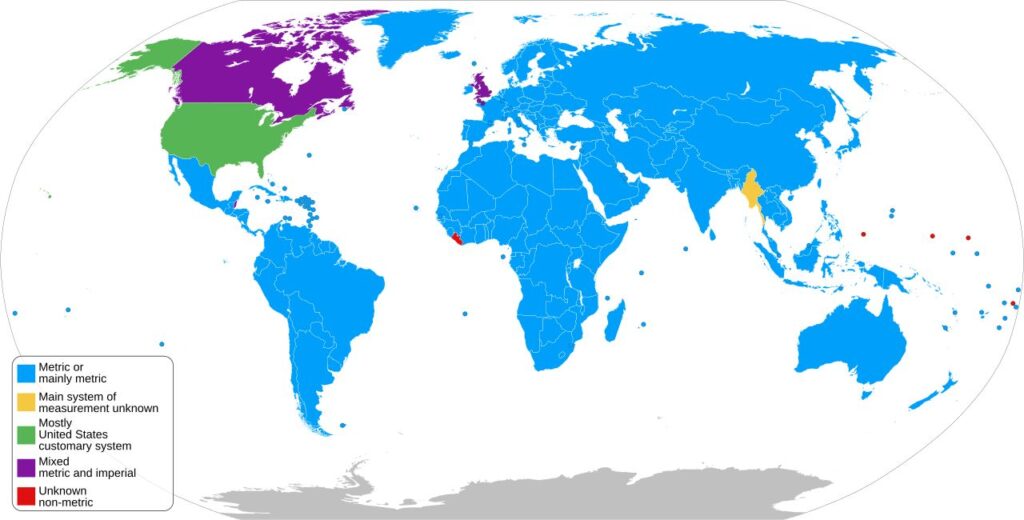
During the 1970s, the U.S. embarked on a bold experiment to transition to the metric system, a move that clashed with deeply ingrained customs. With Congress enacting the Metric Conversion Act in 1975, the expectation was a seamless shift. However, resistance stemmed from a blend of cultural identity and economic fears. Businesses worried about costly overhauls, while everyday Americans clung to familiar measurements. Despite widespread metric use worldwide, the U.S. found itself in a peculiar dance, straddling two systems, revealing the complex interplay between tradition and change.
Spaghetti Trees: Combating Hoaxes

In an era long before digital disinformation, the U.S. government found itself addressing a peculiar prank. On April Fool’s Day 1957, a BBC report showcased “spaghetti trees” in Italy, leading viewers to believe pasta grew on trees. While the jest seemed harmless, it highlighted the capacity for media to shape beliefs. The State Department faced scrutiny, revealing concerns about gullibility and the power of broadcast. This episode foreshadowed modern challenges in discerning truth in the information age, a whimsical yet insightful reminder of media’s potent influence.
Operation Sagebrush: Simulating Nuclear War
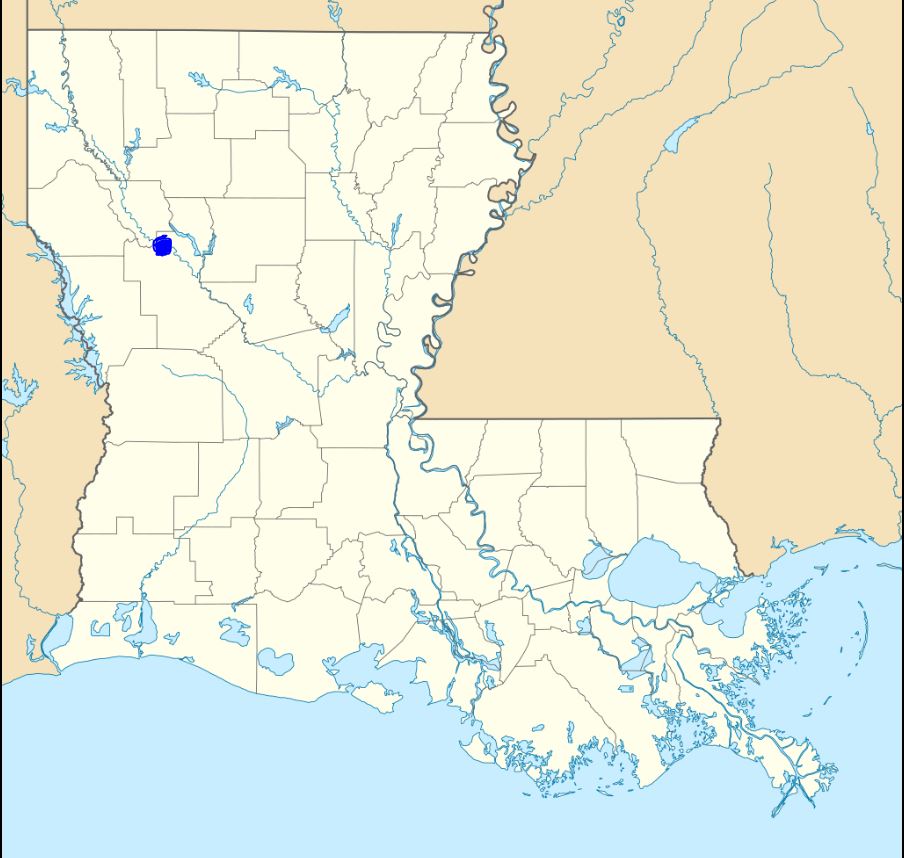
In 1955, deep in the Louisiana woods, Operation Sagebrush unfolded as a dramatic exercise to test governmental and military readiness for nuclear conflict. Envisioned at the height of Cold War tensions, 45,000 soldiers participated, exploring tactics of survival and response amidst radioactive fallout. This vast simulation underscored the anxiety permeating the era, with civil defense drills winding through small towns. Operation Sagebrush starkly illuminated the ever-present threat of nuclear war, yet paradoxically, it also fostered a collective resilience and readiness in the American psyche.
Salt Saver Program: Preserving the Nation’s Roads

The harsh winters of the 1970s led to an innovative intervention—the Salt Saver Program. Tasked with balancing road safety and infrastructure longevity, the government waged war on road salt’s corrosive aftermath. Extensive studies focused on alternative de-icing methods, exploring substances like sand and beet juice. This initiative revealed the struggle to harmonize environmental sustainability with engineering necessity. Today, echoes of this program linger, as regions grapple with eco-friendly solutions, reflecting a lasting impact of governmental foresight in environmental and public welfare.
The Balloon Bombers of World War II
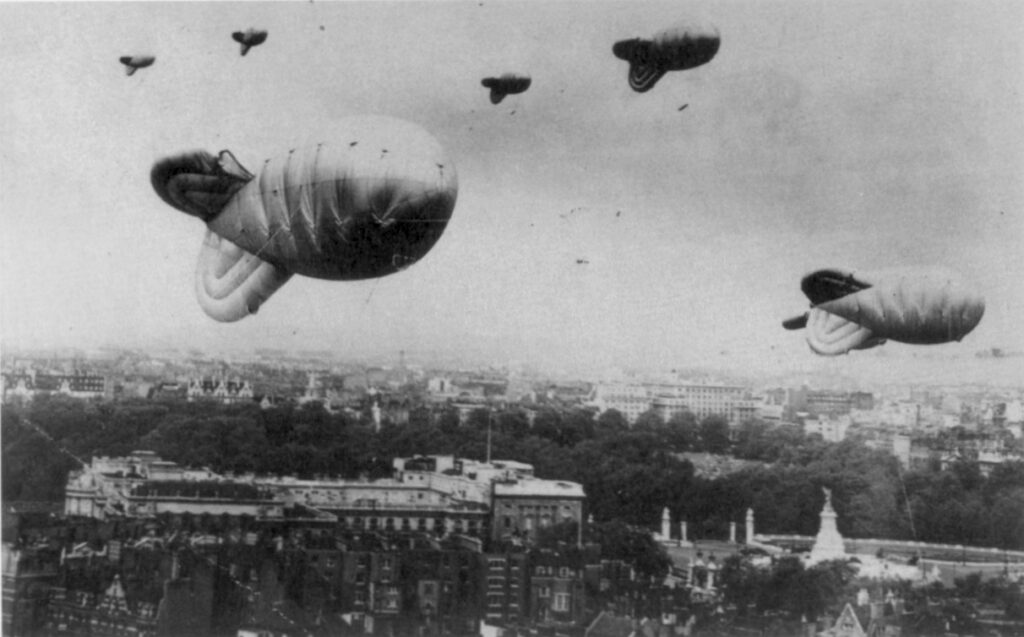
In a little-known chapter of World War II, the U.S. faced an unusual threat from Japanese balloon bombs. Launched across the Pacific, these incendiary devices were intended to ignite vast forest fires and create chaos. While most failed, a few reached American territory, leading to civilian casualties in Oregon. The government’s swift suppression of news about these attacks highlights war’s silent front—the battle against fear. The balloon bombers exemplify the unpredictable nature of warfare and the delicate measures taken to control public panic during tumultuous times.
Lawn Chair Larry: Regulating DIY Aviation

In 1982, Larry Walters became infamous for his unconventional flight. A lawn chair rigged with 45 helium balloons lifted him over Los Angeles, soaring to 16,000 feet. This playful stunt unexpectedly prompted the Federal Aviation Administration to contemplate new airspace regulations addressing citizen-led contraptions. Larry’s flight not only captivated public imagination but also pressed for guidance on the use of homemade aircraft. It highlighted a bizarre intersection of creativity, risk, and governance in an era of burgeoning personal innovation.
The War on Squirrels: Ridgeway’s Rodent Battle

Amid the vast terrain of California, the 1918 invasion of ground squirrels became a peculiar wartime endeavor. Led by David W. Ridgeway, this governmental crusade aimed to protect the agricultural backbone from these prolific pests. Propaganda campaigns and educational rallies rallied citizens to join the effort, turning squirrel eradication into a patriotic duty. While the program met mixed success, it revealed the lengths to which the government would go to safeguard resources—a quirky chapter in the voluminous annals of U.S. interventionism.
Operation Mars: The Search for Extraterrestrial Life

In 1976, NASA’s Viking missions landed on Mars. Beyond scientific achievements, these ventures sparked governmental contemplation of extraterrestrial regulations. The potential discovery of Martian life urged officials to ponder bioethical implications and international laws governing off-Earth encounters. Though no life was found, the endeavor transformed how the universe was viewed from a legal and scientific perspective. Operation Mars thus underscored the curiosity and grandiosity driving U.S. space exploration during its Cold War zenith, weaving dreams of life beyond amidst a tapestry of terrestrial tensions.
Tomato-Throwing Controversy: Rethinking Waste
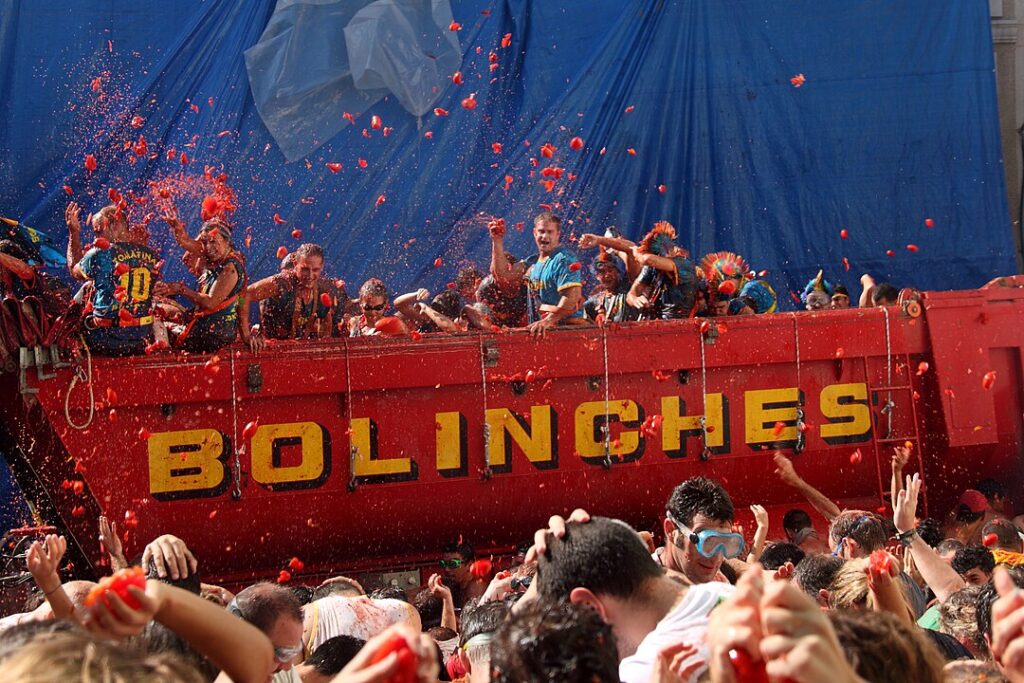
In the late 1940s, citizens of the Midwest faced an unexpected governmental intervention regarding food waste. Despite economic progress post-WWII, officials discouraged tomato-throwing festivals, viewing them as frivolous and wasteful. This stance highlighted debates around consumerism and resource conservation, challenging a sensation-driven culture. The controversy became a metaphor for larger societal shifts, questioning individual entertainment against collective sustainability. Thus, it captured a snapshot of post-war American values reconciling wealth and responsibility in a playful yet profound manner.
Lasers Against Beer Cans: The Aluminum Salvage Plan

During the 1970s, the U.S. government surprised many by investing in laser technology to recycle aluminum beer cans. Faced with mounting environmental concerns, this high-tech approach aimed to reduce landfill waste and encourage industrial reuse. Although ultimately impractical, it symbolized an avant-garde enthusiasm for harnessing technology to solve ecological issues. The plan demonstrated an early recognition of resource scarcity and the need for sustainable innovation, showcasing the intersection of environmental policy with technological optimism at a time of growing ecological awareness.
The 200 Year Old Fish: Sturgeon Recovery Program

Amid the murmurs of Columbia River waters, a silent guardian swims—white sturgeon, the oldest fish in North America. With origins tracing back over 200 million years, these aquatic giants have witnessed the earth’s quiet revolutions. Yet, it was the modern era that posed their gravest threat. Excessive fishing and dam constructions fragmented their habitats. In an unusual twist, federal intervention came as a savior. The U.S. government launched the Sturgeon Recovery Program, blending science and tradition to revive dwindling populations. This effort not only retrieved a species from the brink but also reunited ecosystems with ancient continuity.


