
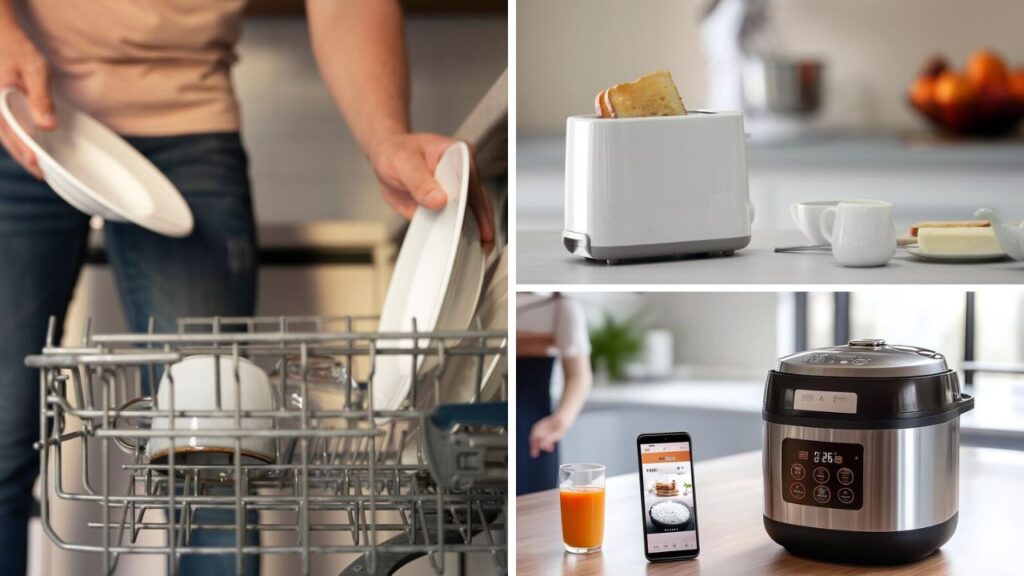
The 1950s kitchen wasn’t just a place to cook—it was a glowing shrine to American progress. Gleaming chrome, whirring motors, and humming gadgets transformed homemaking into a symbol of postwar modernity. With Cold War tensions outside and space-age dreams inside, these tools weren’t just appliances—they were promises of ease, status, and control. Housewives became domestic engineers. When dinner served, a tuna casserole it tasted like an adventurous meal scheduled for tomorrow.
1. The Refrigerator with a Freezer Compartment

Before the 1950s, families relied on iceboxes or small fridges. But postwar prosperity brought full-sized refrigerators with sleek doors, built-in freezers, and automatic defrost. They weren’t just cold boxes—they were futuristic food vaults. Leftovers had a longer life, and ice cream stayed solid. With brands like GE and Kelvinator leading the charge, this upgrade wasn’t about food—it was about status, control, and the cool glow of modern domestic life.
2. Push-Button Electric Stoves
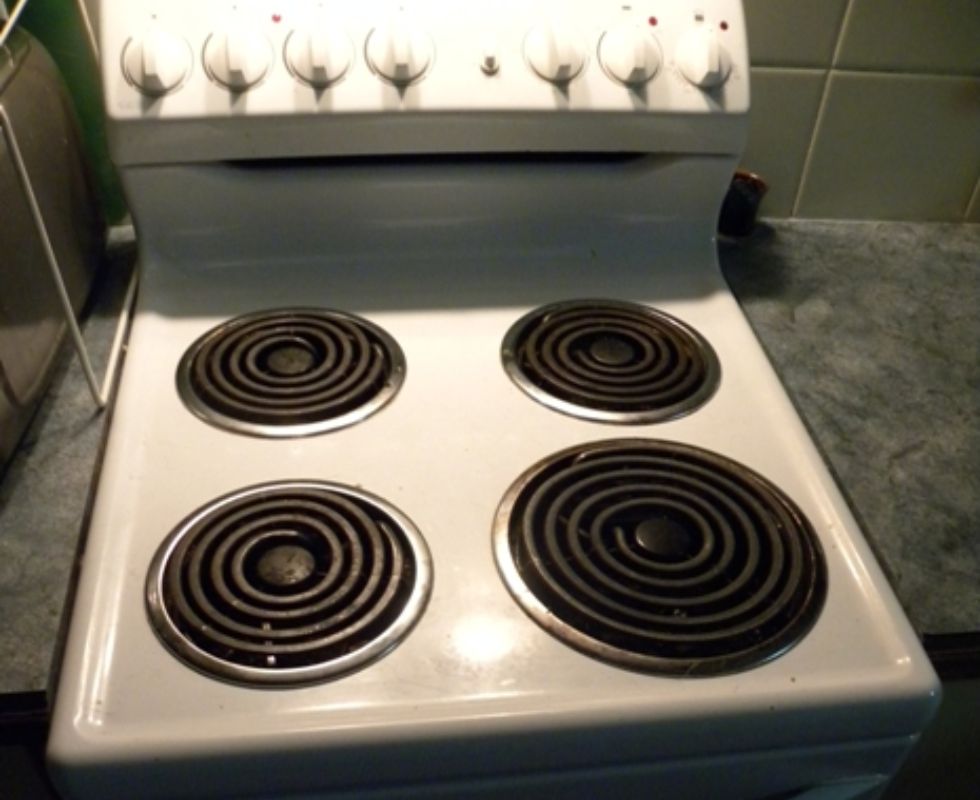
Out with the matches, in with the buttons. Electric stoves with push-button controls were marvels of mid-century engineering. Housewives no longer had to light flames or wait for gas. Precision heat settings felt scientific—almost clinical. These stoves were designed not just for efficiency but for show. The smooth surfaces and modern lines echoed the Space Race mindset: clean, fast, futuristic. Cooking, for once, looked like something from a Jetsons dream.
3. Built-in Dishwashers
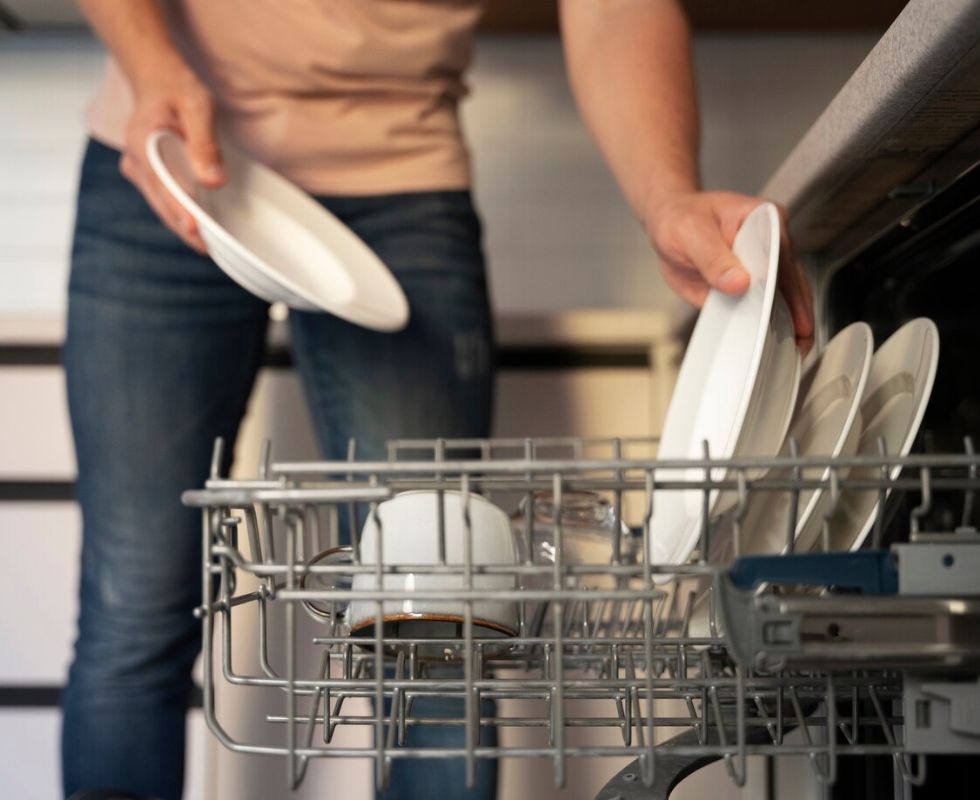
In the 1950s, having a dishwasher was like driving a Cadillac—it meant you’d made it. No more pruny fingers or sink full of suds. Built-ins, often tucked beneath laminate countertops, whispered modernity. And though not everyone could afford one yet, those who did flaunted them proudly. Time-saving wasn’t the only win—it was the emotional promise: that a woman’s labor could finally be eased by gleaming steel and whirring parts, if not erased.
4. Electric Percolators and Coffee Makers
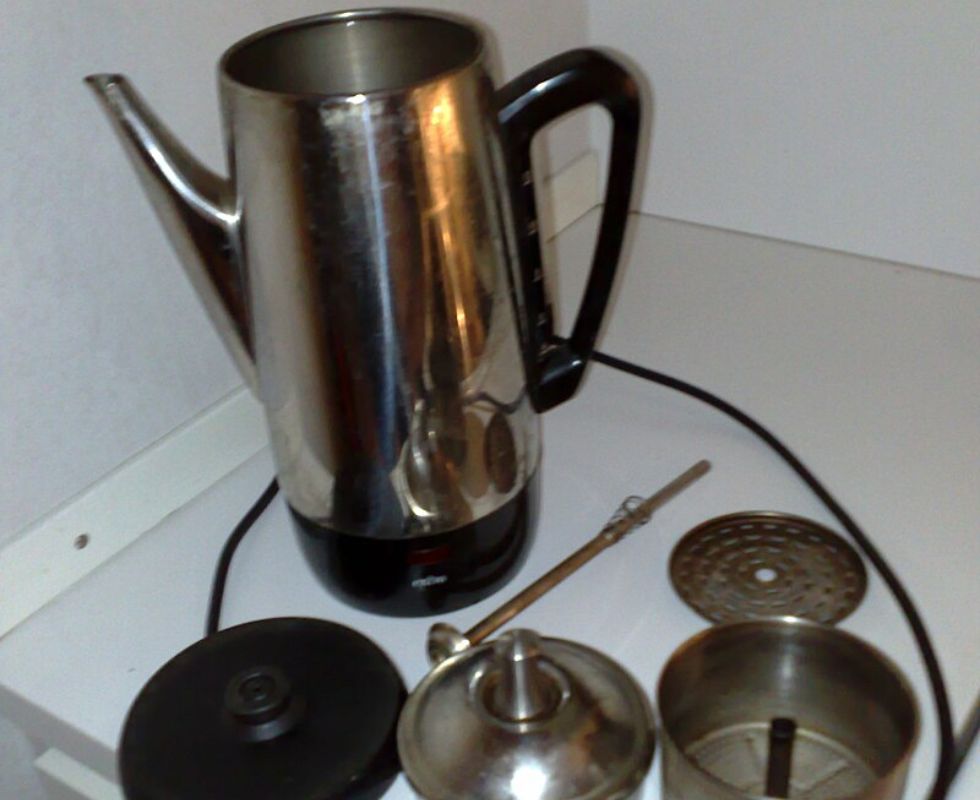
The morning didn’t begin until the percolator bubbled. These chrome beauties stood proud on countertops, chugging away with rhythmic optimism. Early electric models gave homemakers more control—no open flames, no guesswork. Just plug, brew, and serve. Coffee wasn’t just a beverage; People incorporated coffee into a fashionable daily routine within their homes. With brands like West Bend and Sunbeam shaping their look, percolators helped make caffeine feel less like a crutch and more like a ceremony.
5. Pop-Up Toasters
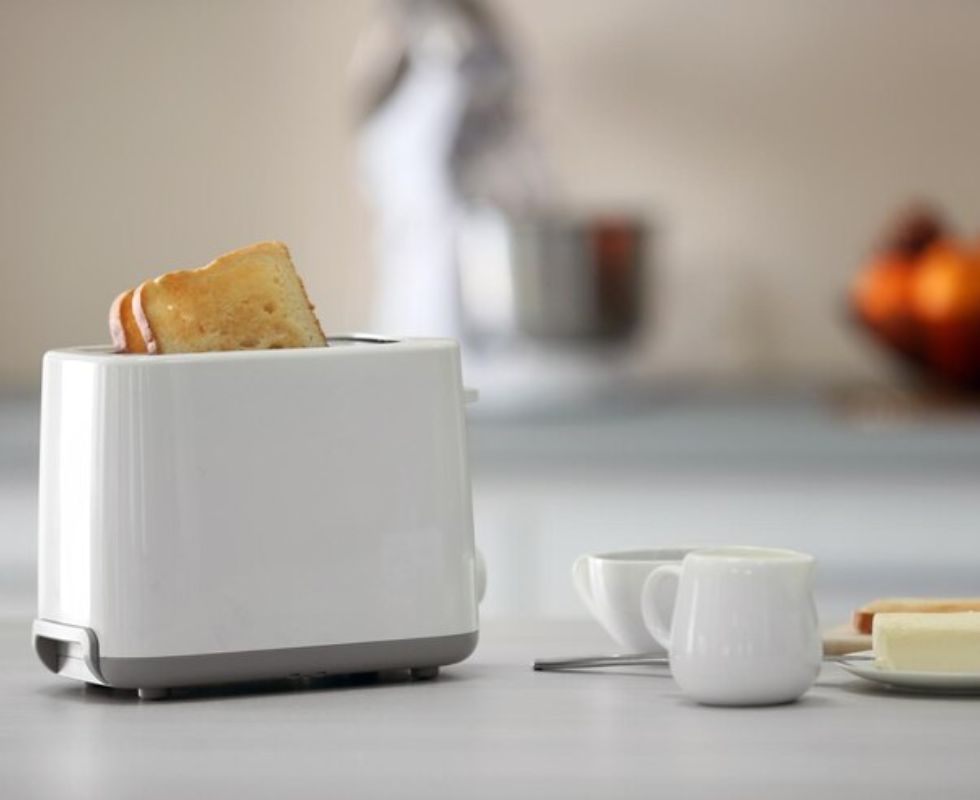
In a decade obsessed with automation, the pop-up toaster became a kitchen MVP. Housewives marveled as slices browned with perfect timing and leapt into the air like something out of a cartoon. Earlier toasters required flipping bread by hand—now, technology has mastered breakfast. Chrome finishes made them countertop showpieces, not just appliances. More than a tool, the toaster was a symbol: convenience at the push of a lever. In a culture craving speed and consistency, even toast joined the march toward modernity.
6. The Waring Blender
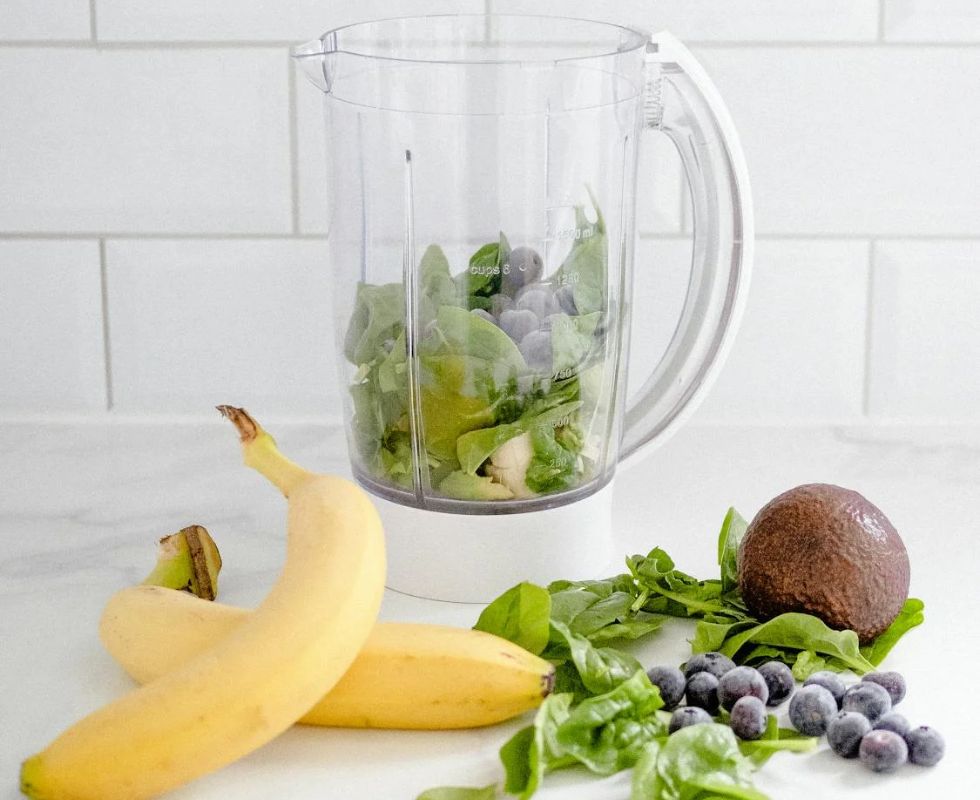
With a base resembling a rocket booster, the Waring Blender added flash and function to mid-century kitchens. It wasn’t just for milkshakes—it pureed soups, crushed ice, and even helped moms make baby food from scratch. Julia Child loved it. So did the new wave of cocktail-hosting suburbanites. Its high-speed blades reflected a new tempo in American life: fast, precise, versatile. Owning a Waring wasn’t about blending but joining the sleek, domestic frontier of futuristic homemaking.
7. Sunbeam Mixmaster Stand Mixer
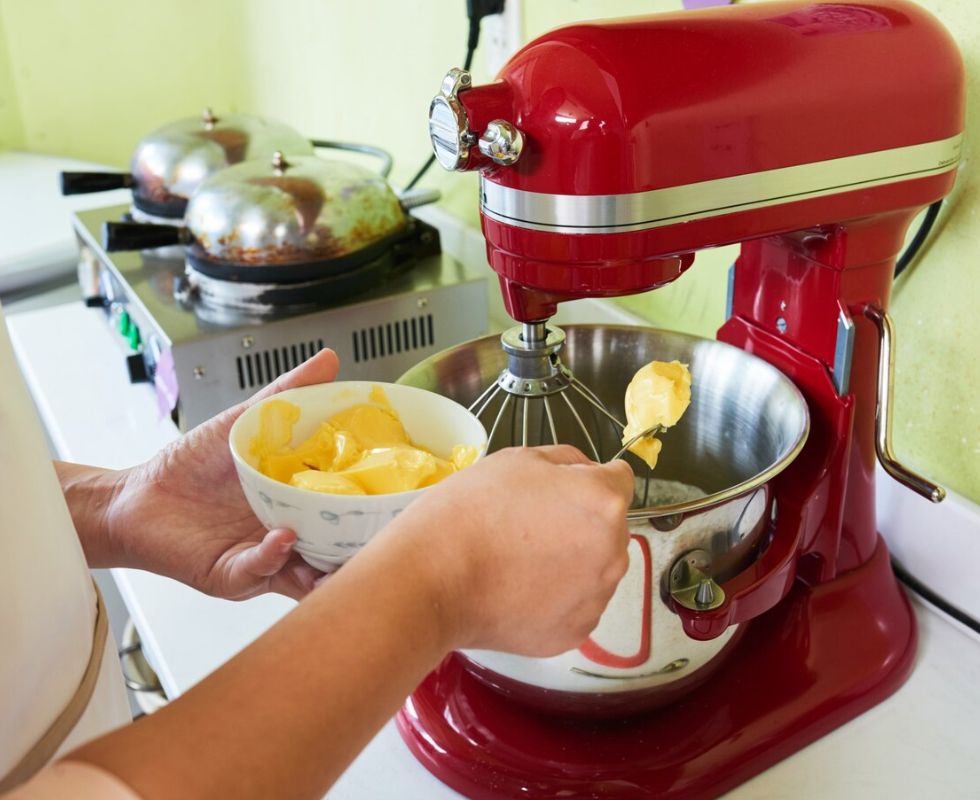
The Sunbeam Mixmaster wasn’t just a mixer—it was a marvel. With multiple attachments and up to ten speeds, it turned any housewife into a culinary technician. Advertisements called it a “kitchen servant,” but really, it gave women control and consistency in baking, which had always been more art than science. Its glossy curves and streamlined body fit perfectly into the atomic-age aesthetic. In a decade of conformity and perfectionism, the Mixmaster whispered that even cakes could be engineered to flawlessness.
8. Electric Can Openers
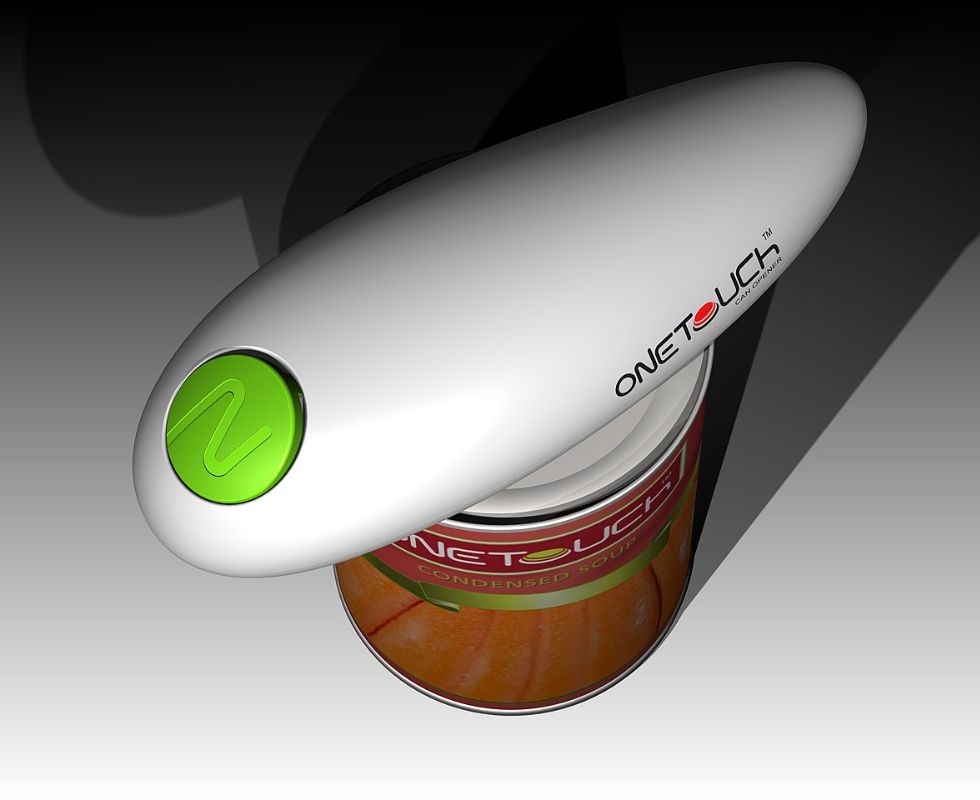
What once took muscle now took a touch. Electric can openers made their way into 1950s kitchens as quiet disruptors. Opening cans of beans, fruit, or soup became a no-effort task, saving precious time and sparing hands from injury. Compact and chrome-plated, they embodied the era’s obsession with gadgetry. These little machines weren’t expensive, but they felt luxurious. The message was clear: the future belonged to efficiency. Even the hum of this small appliance said, “Modern life is smarter.”
9. Electric Pressure Cookers
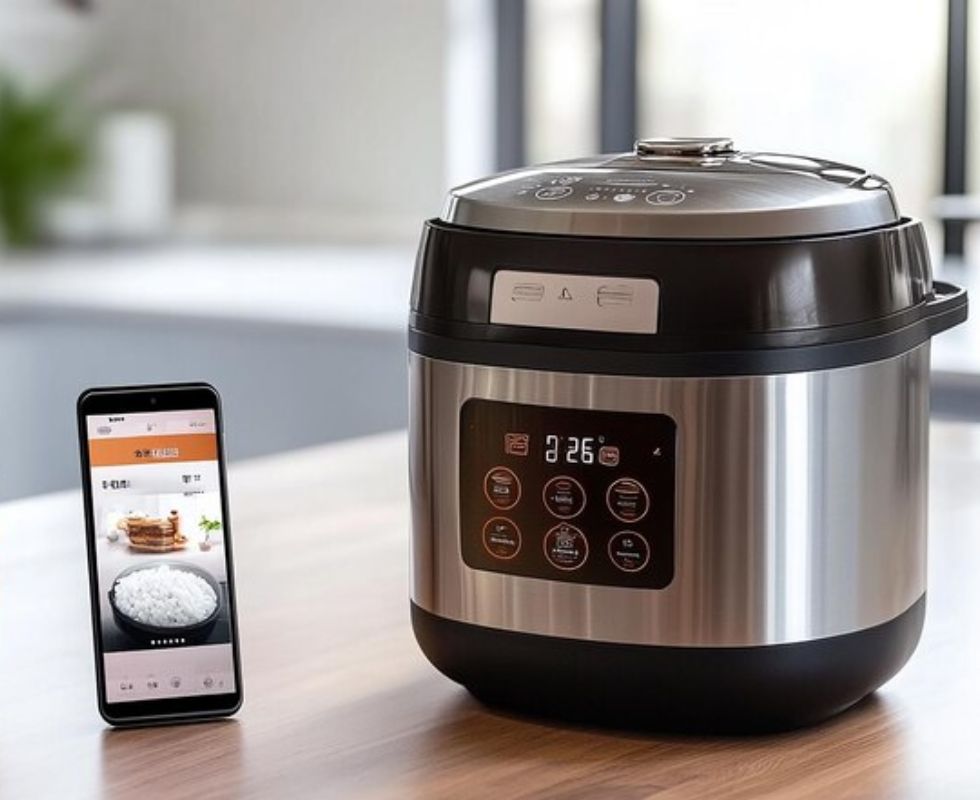
A bubbling pot on the stove was no match for the power of pressurized steam. Electric pressure cookers took root in American kitchens, promising speed without compromising flavor. Sunday stews are now cooked in minutes, and busy families can eat heartily without the wait. These gadgets mirrored a national mood: productive, efficient, and forward-looking. Advertised as “kitchen miracles,” they appealed to housewives juggling kids, clubs, and casseroles. Pressure cookers didn’t just change cooking—they shifted expectations of how fast life could move.
10. Electric Waffle Irons
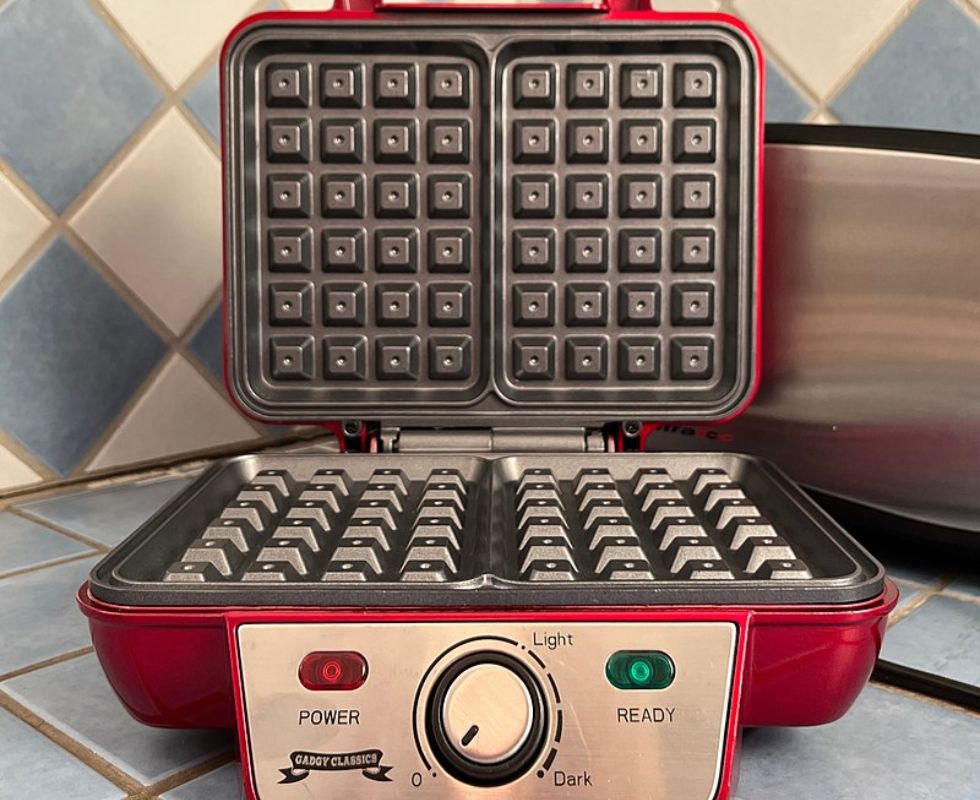
Waffles were no longer a diner luxury—they became a home ritual. Electric waffle irons brought crispy golden grids to breakfast tables across suburbia. These clamshell gadgets came with indicator lights, temperature settings, and retro flair. Children loved them. Moms relied on them. They turned ordinary weekends into something special. Brands like Toastmaster and GE transformed a once-fussy food into a quick treat. In a decade devoted to comfort and image, the waffle iron offered nostalgia and novelty, all wrapped in syrup.
11. Fluorescent Lighting and Kitchen Ventilation
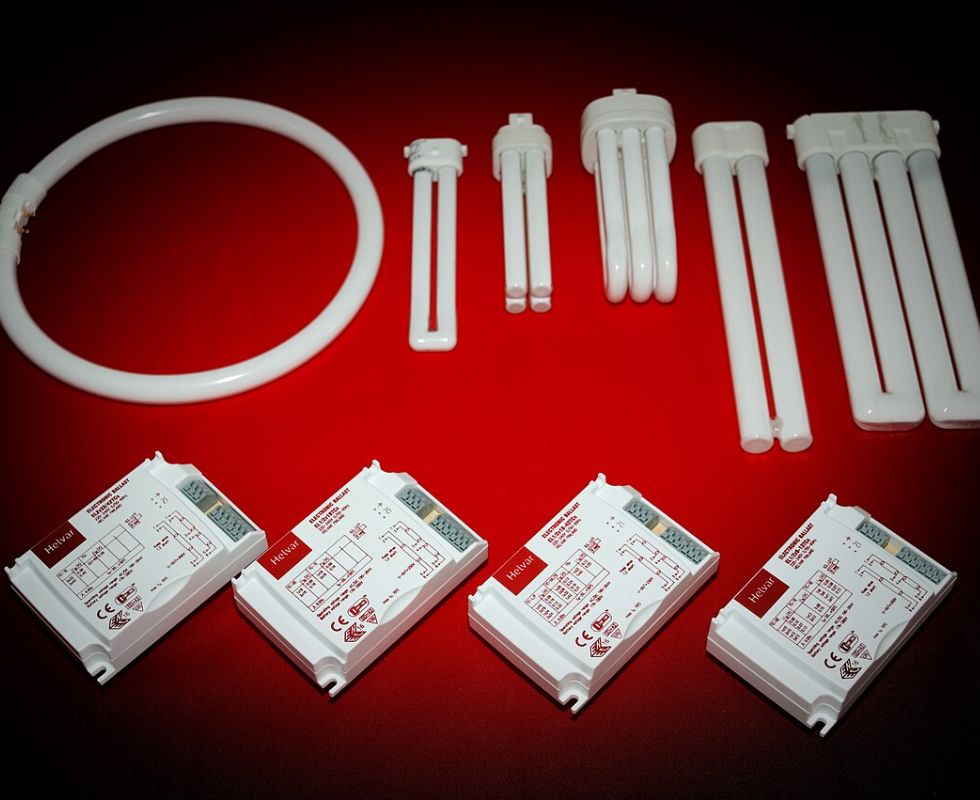
A bright kitchen wasn’t just about visibility—it was a statement. The introduction of fluorescent lighting provided sanitary illumination to achieve modern counters with their industrial design preserved. Combined with new under-cabinet lighting and basic vent hoods, kitchens were no longer dim and smoky. They looked like labs of domestic innovation. This wasn’t ambiance—it was utility. With every flicker and hum, Americans embraced the idea that light and air could be engineered. In many ways, kitchens became the first genuinely modern room in the home.
12. Ice Cube Makers (Automatic Ice Trays)
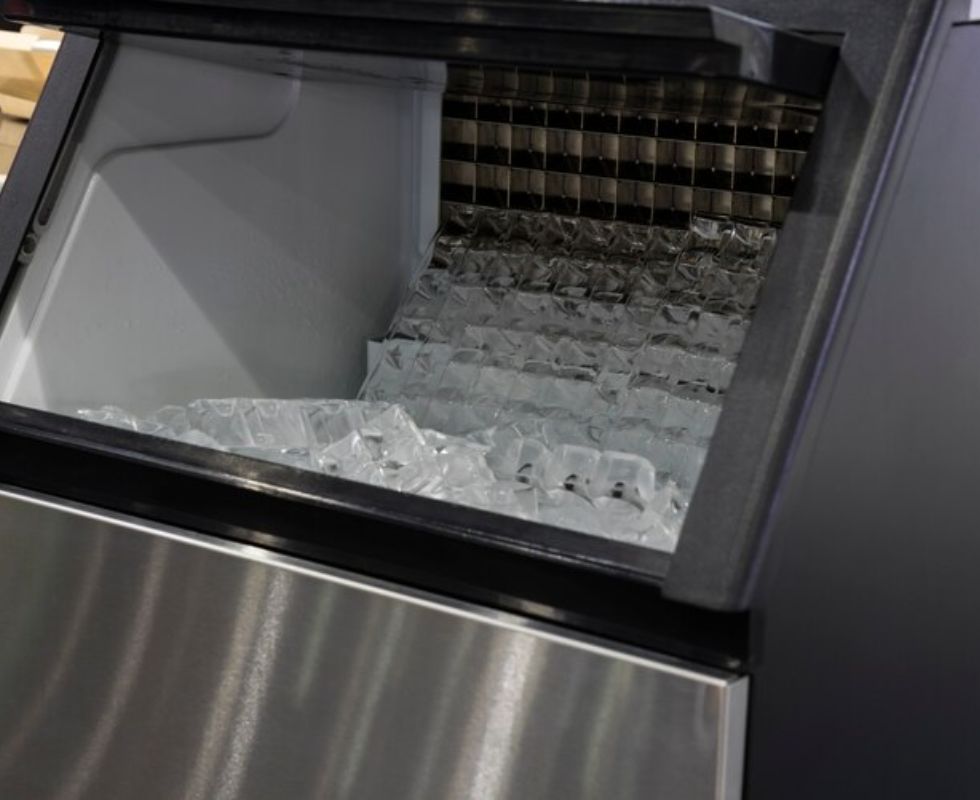
Before the 1950s, ice production involved manual filling of metal pans while battling the cold. Then came automatic ice cube makers—either built into upscale refrigerators or as pop-out plastic trays that flexed to release perfect cubes. Suddenly, iced drinks weren’t just for parties but everyday luxuries. With cocktails booming and soda fountains inspiring home versions, ice became essential. These small innovations quietly revolutionized convenience. Even frozen water was redesigned in postwar America for speed, ease, and style.