American history is filled with tales that are widely accepted but often inaccurate. These myths have shaped how many people view the nation’s past, but a closer look reveals a more nuanced reality. Let’s uncover the truth behind ten commonly misunderstood stories.
Columbus Found America First
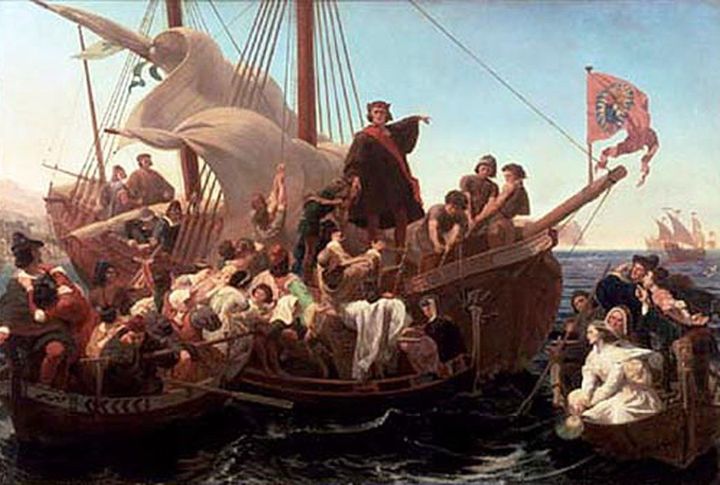
Christopher Columbus is often credited with discovering America in 1492, but this narrative overlooks crucial facts. His journey brought him to the Bahamas, not the mainland, and he was far from the first to set foot in the Americas. Indigenous civilizations like the Maya and Iroquois thrived long before his arrival, and Norse explorer Leif Erikson reached North America centuries earlier. The story of Columbus as the original discoverer of America simplifies a much more complex historical reality.
The Declaration of Independence Secured Freedom
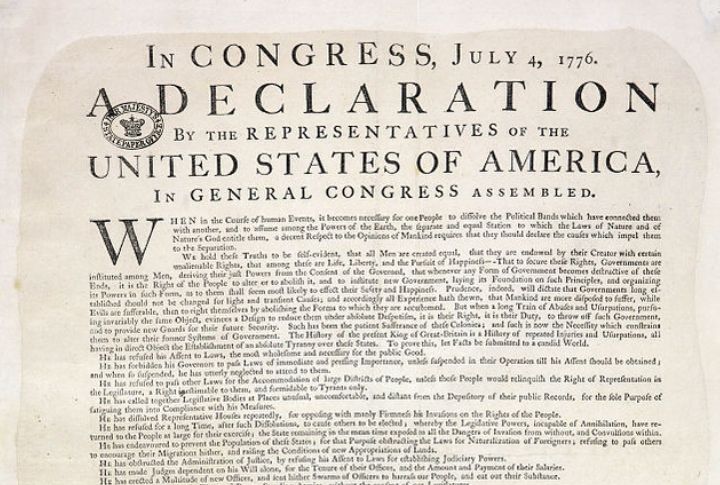
The signing of the Declaration of Independence in 1776 is widely regarded as the moment America gained its freedom, but the reality is more complicated. While the Declaration marked the formal start of the independence movement, it took another seven years of conflict before British rule officially ended with the Treaty of Paris in 1783. The Revolutionary War tested the resolve of the Continental Army and required immense sacrifices. Independence was hard-earned and came only after years of struggle and perseverance.
Pilgrims Fled to America for Religious Liberty
The Pilgrims are often remembered as seeking religious freedom, but their intentions were more exclusive than inclusive. Arriving in 1620, they aimed to establish a strict Puritan society that left little room for differing beliefs. Other faiths were excluded, and tolerance wasn’t a hallmark of their communities. Broader religious freedoms only began to emerge decades later, under leaders like Roger Williams in Rhode Island, who envisioned a society that respected diverse faiths.
George Washington Chopped Down a Cherry Tree
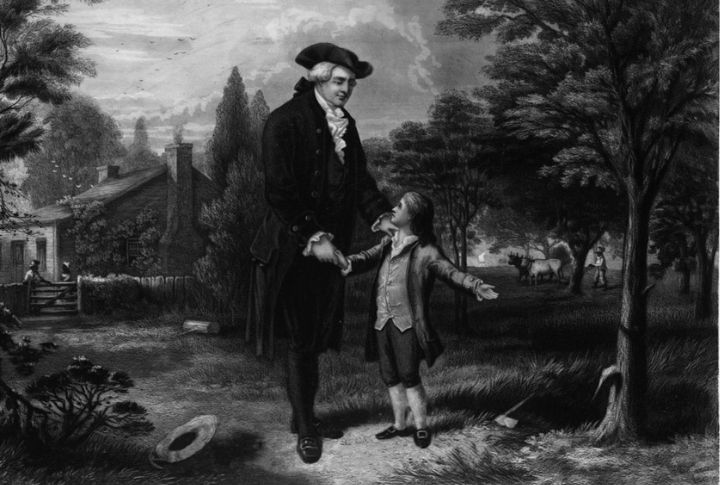
The story of George Washington confessing to cutting down a cherry tree is one of America’s most enduring myths, but it’s entirely fabricated. Biographer Mason Locke Weems created the tale to illustrate Washington’s moral integrity. In reality, there’s no evidence to support the anecdote. Washington’s leadership during the Revolutionary War and his role in shaping the presidency are his true legacies, overshadowing the apocryphal tales that aim to humanize him.
The Civil War Was About States’ Rights
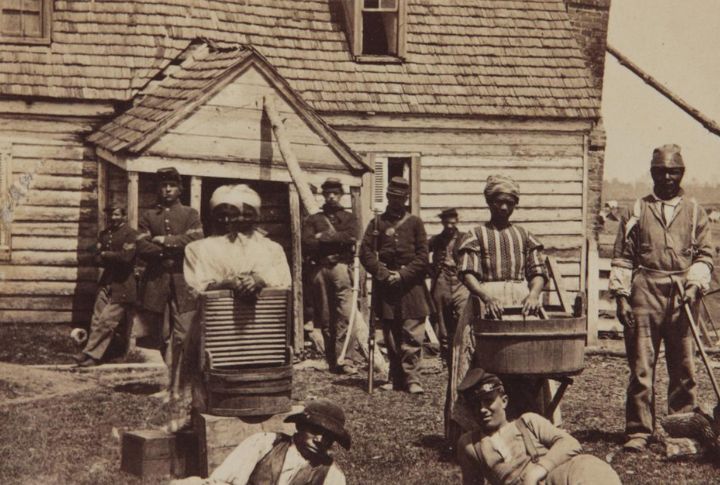
The Civil War is often framed as a battle over states’ rights, but slavery was its core issue. Southern leaders explicitly stated that secession was necessary to preserve slavery, an institution they considered vital to their economy and way of life. While states’ rights were cited as a justification, they were often a defense mechanism for systemic oppression. The conflict was fundamentally a struggle over human freedom versus an entrenched system of exploitation.
The Statue of Liberty Has Always Been Green
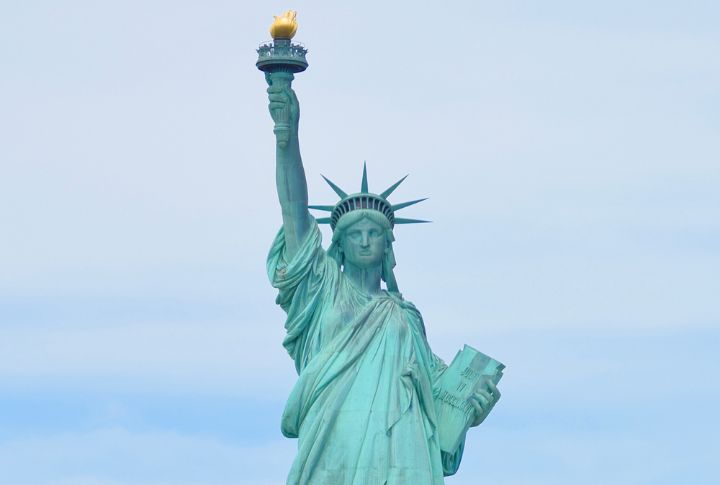
When the Statue of Liberty was unveiled in 1886, it wasn’t the iconic green we see today. Instead, it gleamed with a shiny copper finish. Over the years, exposure to the elements caused oxidation, transforming its surface into the familiar green patina. This natural chemical process took decades to complete and has become a symbol of resilience and endurance. Today, visitors admire both the artistry of its creators and the effects of time on this iconic monument.
Forced Labor Was Only in the South
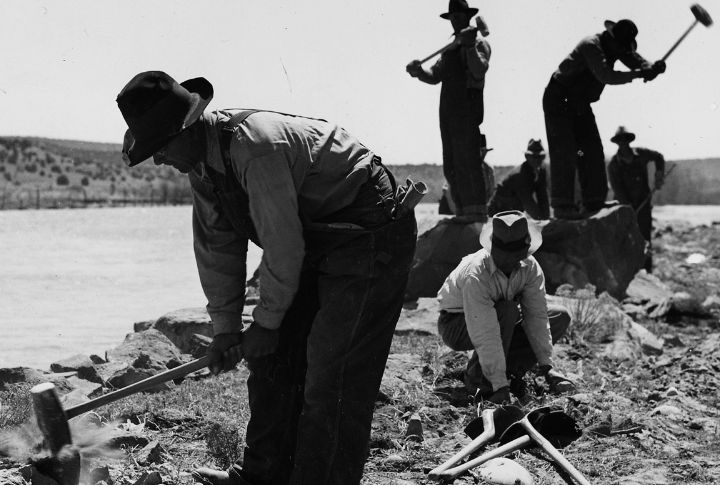
While slavery is often associated with the Southern states, it was practiced in the North as well. Enslaved people worked in homes, on farms, and in industries in states like New York and Massachusetts until the early 19th century. Gradual abolition laws in the North created the illusion of a quick transition to freedom, but many enslaved people continued to live and work under oppressive conditions. This overlooked chapter reveals the pervasive reach of forced labor across America.
The Wild West Was Completely Lawless
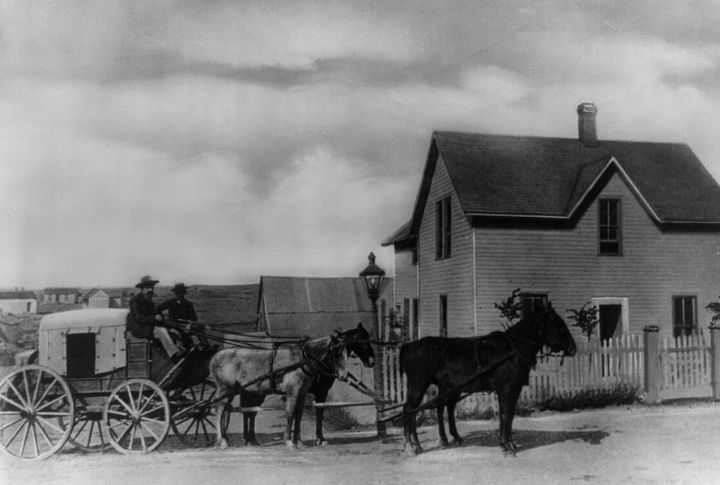
The Wild West is often portrayed as a lawless land of constant violence and chaos, but historical evidence tells a different story. Towns like Dodge City and Tombstone had strict laws and community rules that kept order. While conflicts did occur, they were far less frequent than Hollywood’s dramatic gunfights suggest. Local law enforcement played a significant role in maintaining peace, making the Wild West more structured and orderly than the popular myth implies.
Everyone Supported the American Revolution
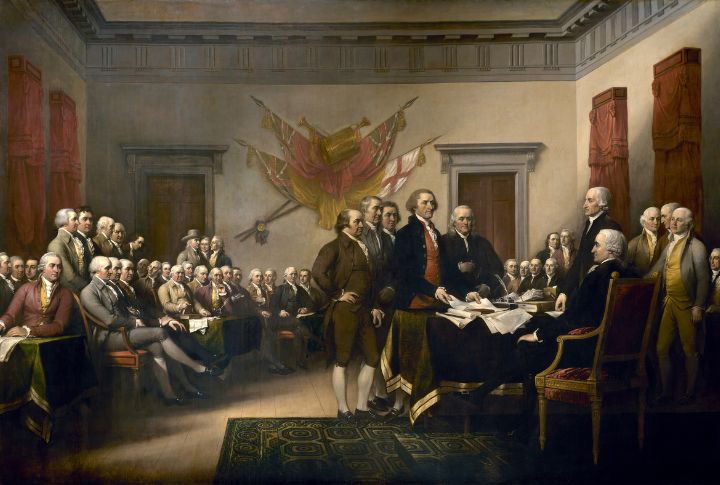
The American Revolution wasn’t a unanimously supported movement. Roughly 20% of colonists, known as Loyalists, actively opposed independence, while many others remained neutral. Families and communities were often divided, with some members supporting the revolution and others staying loyal to the British Crown. This internal conflict added complexity to the fight for independence, showing that not everyone was eager to embrace the revolutionary cause.
The United States Is a Pure Democracy
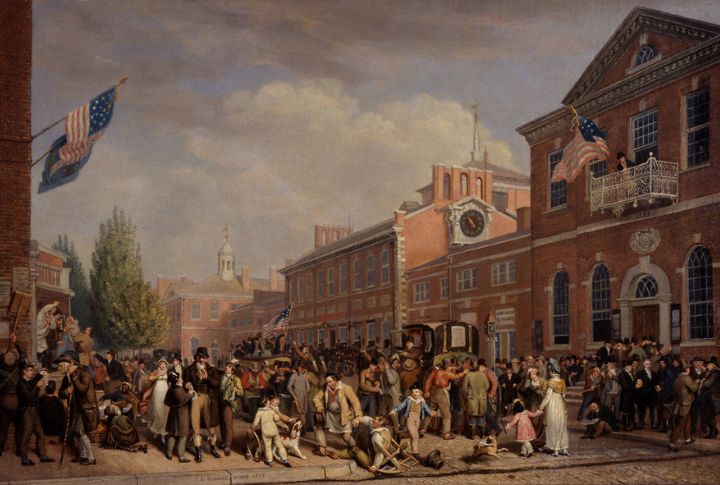
While often referred to as a democracy, the United States is technically a constitutional federal republic. This means that power is divided between federal and state governments, with the Constitution serving as the supreme law of the land. Unlike a pure democracy, where majority rule prevails, the U.S. system includes checks and balances to protect minority rights and prevent the concentration of power. It’s a unique blend of governance that balances individual freedoms with collective decision-making.