


Inside cramped Washington war rooms and remote Midwestern laboratories, thousands of women sorted enemy dispatches, punched code cards, and tended electric rotors through nonstop shifts. Their secret work shortened convoy routes, guided Pacific armadas, and saved countless lives. These ten stories reveal how America’s Code Girls cracked Axis ciphers, rewrote gender roles, mastered early computers, and laid the groundwork for today’s signals intelligence, transforming both warfighting and women’s place in science.
1. Secret College Recruitment: Cryptic Exams in Classrooms
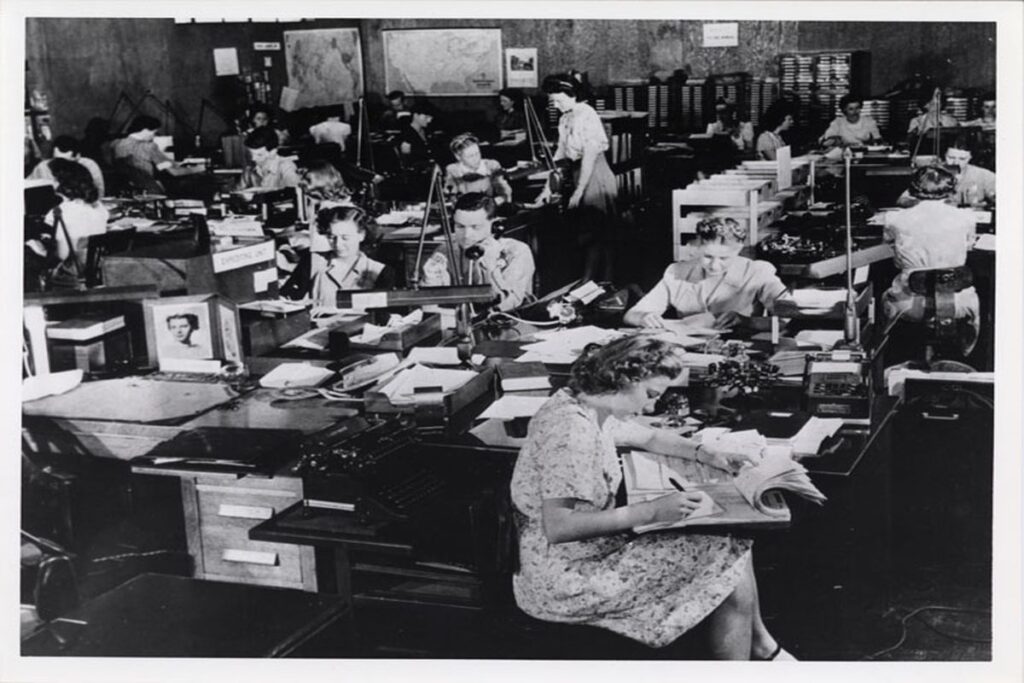
Before Pearl Harbor, Army and Navy recruiters discreetly mailed elite women’s colleges “puzzle contests” that masked true cryptographic tests. Linguists and math majors who excelled received sealed train orders to Washington, escorted by urging professors. Once aboard, they swapped textbooks for classified manuals, launching a hush-hush talent pipeline that infused the young codebreaking corps with analytical rigor and unwavering patriotism.
2. An Army of Analysts: More Than Ten Thousand Served

By 1945, women comprised over seventy percent of U.S. cryptanalytic staff, drawn from cities and rural towns alike. Arlington Hall, a former girls’ school, buzzed with teletype rhythms and midnight punch-card runs. Shifts blurred days into nights as recruits tracked enemy communications, transforming chaotic intercepts into actionable intelligence. Their sheer numbers ensured continuous coverage that overwhelmed Axis encryption and empowered Allied decision makers.
3. Arlington Hall and the Naval Annex: Female-Run Code Cities
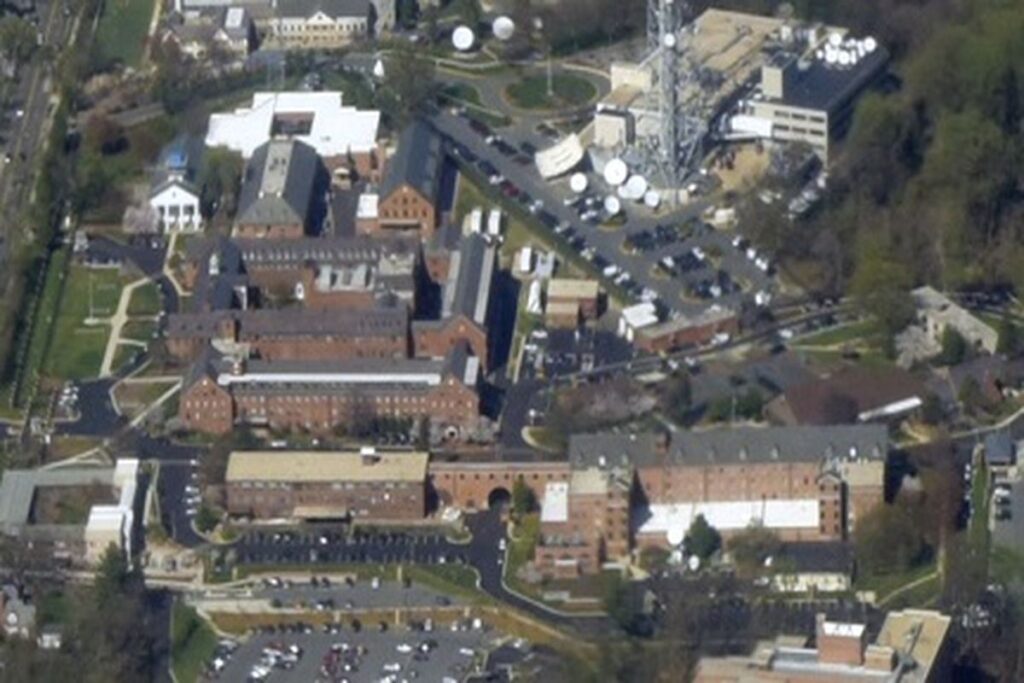
Arlington Hall Station and the Nebraska Avenue Annex evolved into covert complexes overseen mainly by women. Operators ran teletype machines, keyed IBM sorters, and patched switchboards that funneled raw intercepts to analytic teams. Surrounding them sprang dormitories, cafeterias, and shuttle buses, all tailored to the all-female workforce. Their structured routines turned a flood of enemy traffic into clear strategic insights.
4. Breaking PURPLE: Genevieve Grotjan’s Pattern Spot
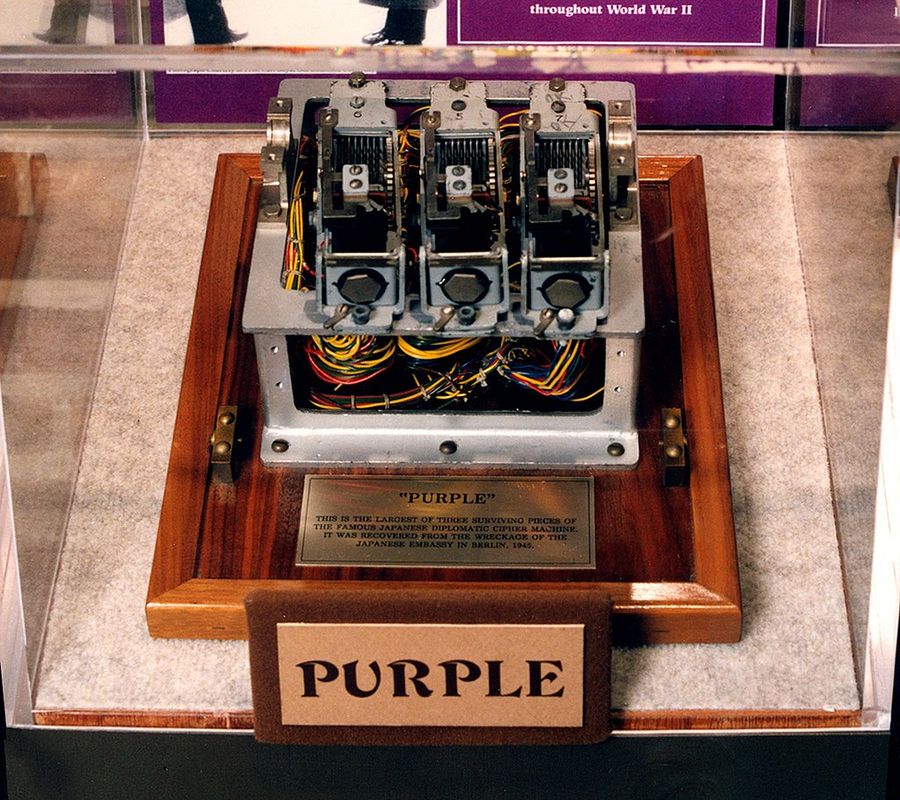
On September 20, 1940, mathematician Genevieve Grotjan Lawson uncovered recurring letter patterns within intercepted Japanese PURPLE traffic. By mapping these patterns, she helped engineers reconstruct Tokyo’s diplomatic cipher machine. The replica that emerged granted U.S. leaders unprecedented access to Axis communications, offering critical foresight into enemy negotiations long before America entered the war and shaping Roosevelt’s diplomatic strategy.
5. Bomber Hunters: Women and the U-boat Enigma
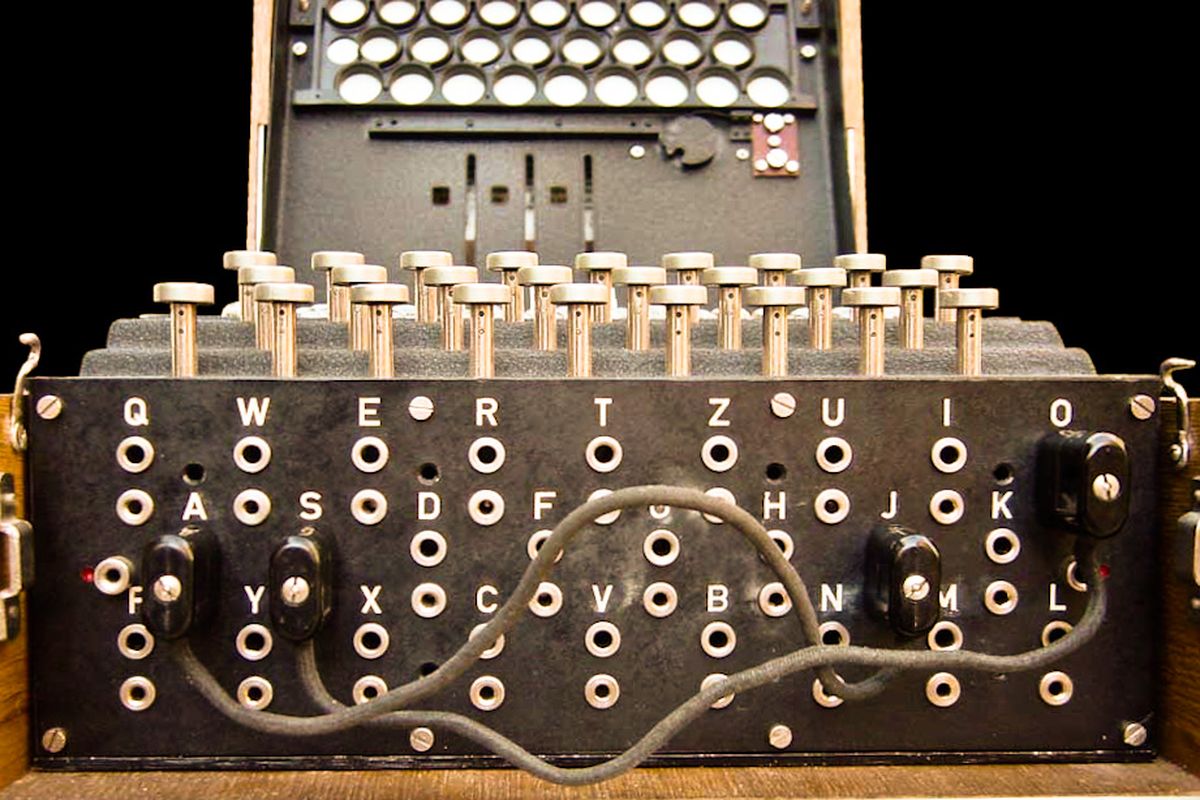
In Dayton, Ohio, Navy WAVES (Women Accepted for Volunteer Emergency Service) kept massive Bombes machines humming as they tested countless rotor combinations to crack German Enigma codes. Their painstaking work decrypted U-boat orders, rerouting vital convoys away from lurking wolf packs. By safeguarding Atlantic supply lines, these women played a pivotal yet seldom-told role in neutralizing submarine threats and tipping the naval balance toward Allied victory.
6. Night Watch at Midway: Traffic Analysis Turns Tide

In the spring of 1942, slender logs of enemy radio messages became a lifeline. Female analysts at Pearl Harbor mapped out enemy call signs and monitored surges in message volume beneath the glow of desk lamps. They linked the label “AF” to Midway Island, intelligence that let Admiral Nimitz spring a surprise on June 4, 1942. The unexpected ambush sank four Japanese carriers and shifted momentum in the Pacific, proving that code-room insights could decisively shape naval battles.
7. African American Codebreakers: Unsung Heroes of Arlington
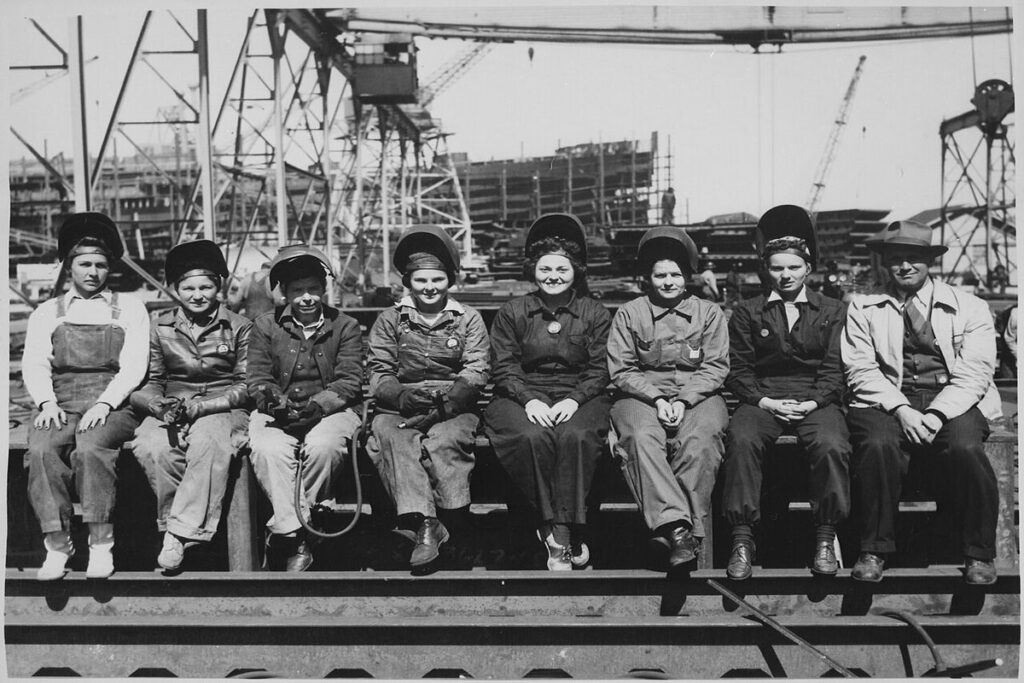
Recruited from historically Black colleges, dozens of African American women joined Arlington Hall’s cryptanalytic teams. Despite segregated dorms and cafeterias, they processed German diplomatic traffic with precision. Their decoded reports, delivered under tight security, guided Allied commanders in Europe. These women’s work remained unsung until decades later, when declassified files and racial-equality efforts finally brought their vital contributions to light.
8. Punched-Card Power: IBM Machines Meet Women Operators
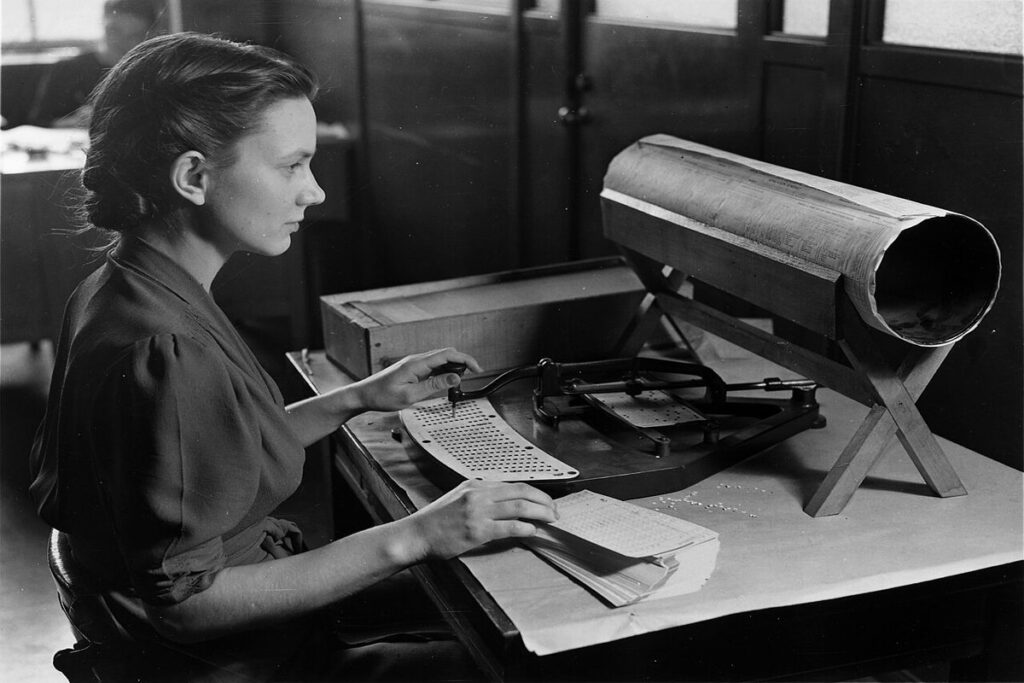
The hum of IBM card sorters and tabulators filled code centers as women mastered their intricate mechanics. By feeding punched cards through high-speed readers, they transformed raw intercepts into organized data tables. This rapid processing revealed shifts in enemy cipher patterns within hours, not days. After the war, many operators parlayed their technical skills into careers in emerging computer and data-processing fields, pioneering women’s roles in technology.
9. Lifetime Silence: Oaths Kept for Fifty Years
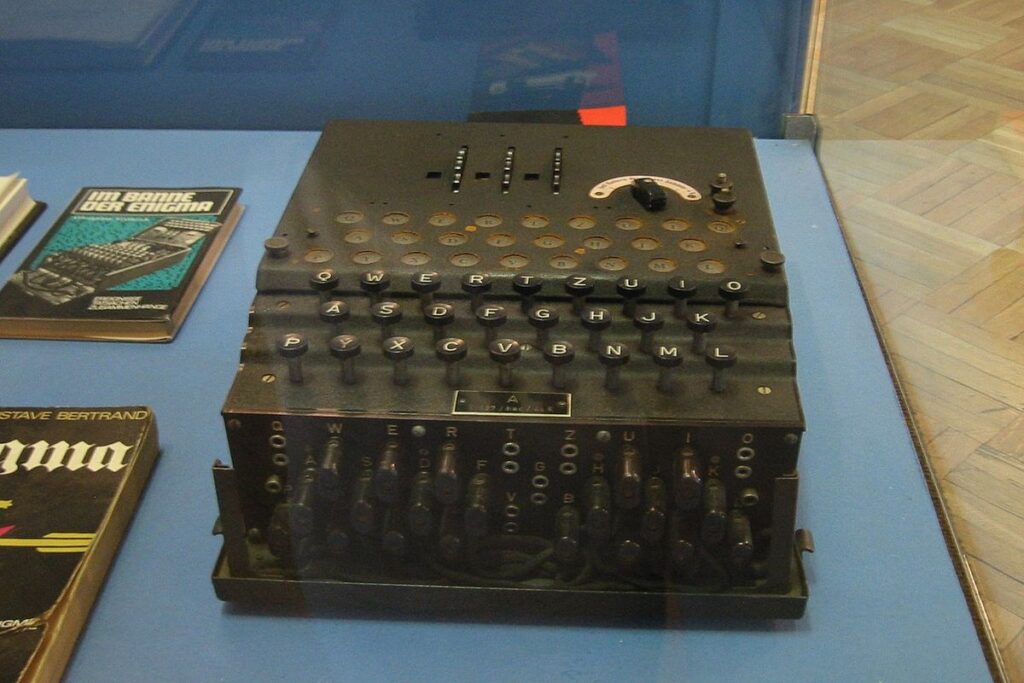
Each recruit took an oath under penalty of imprisonment that forbade any mention of their wartime tasks. Families often assumed daughters were secretaries or clerks, unaware that they handled top-secret intercepts and rotor settings. Only after the 1990s declassification did these women share memoirs of behind-the-scenes heroics. Their fifty-year vow of silence underscores the era’s strict security culture and the extraordinary discipline that kept critical secrets safe.
10. From War Room to NSA: Lasting Legacies
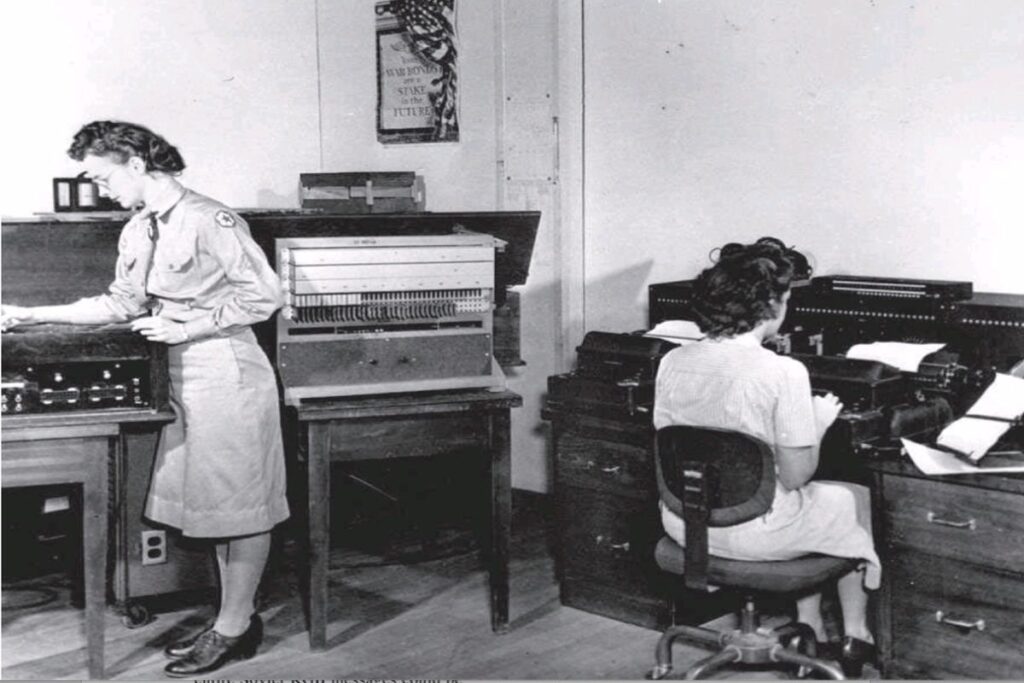
In 1952, as the National Security Agency was established, a significant number of former Code Girls joined its analytic workforce. Their wartime innovations in traffic flow mapping, machine-aided pattern recognition, and secure communications protocols became NSA cornerstones. These pioneers also influenced early computer development and cryptologic training curricula. By breaking wartime codes and glass ceilings alike, they opened pathways for generations of women in intelligence and STEM fields.


