

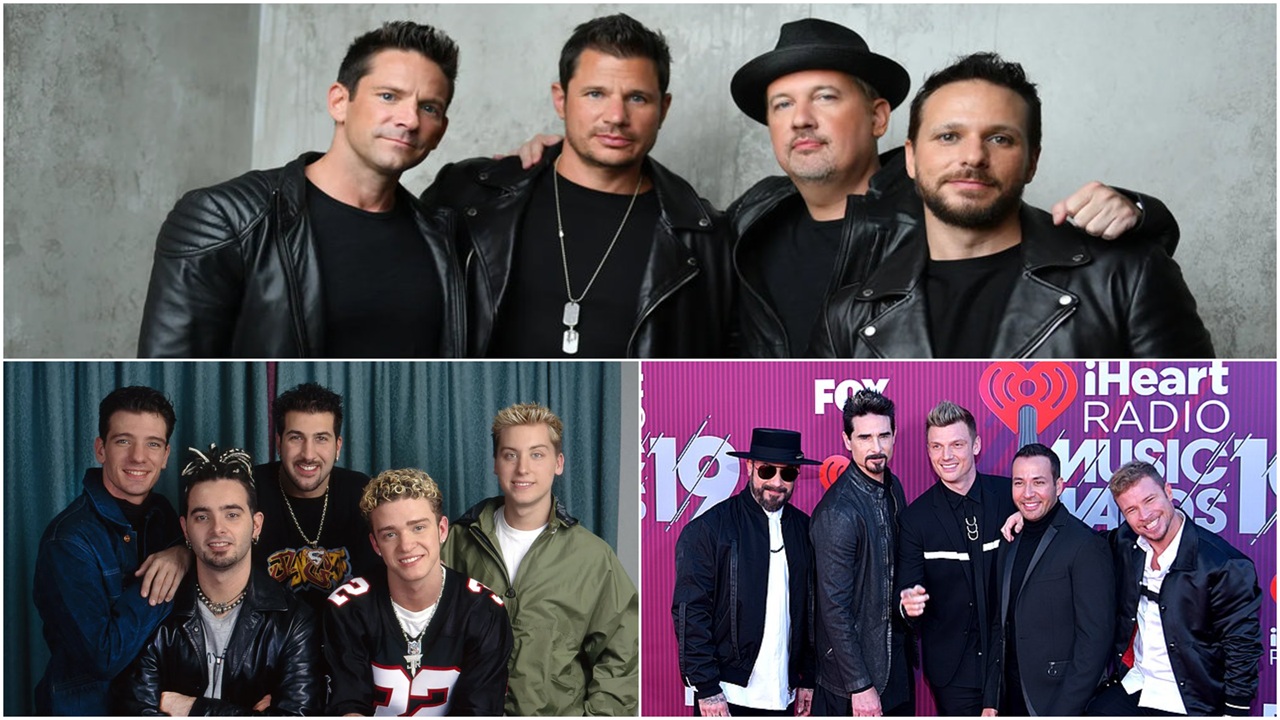
The 1990s were a golden era for boy bands. These groups ruled the airwaves, filled stadiums, and captured hearts with synchronized dance moves and emotional ballads. More than just teen heartthrobs, these bands shaped the pop music landscape and left a lasting cultural impact. Here are the 10 best ’90s boy bands and how they influenced music in the USA.
1. Backstreet Boys
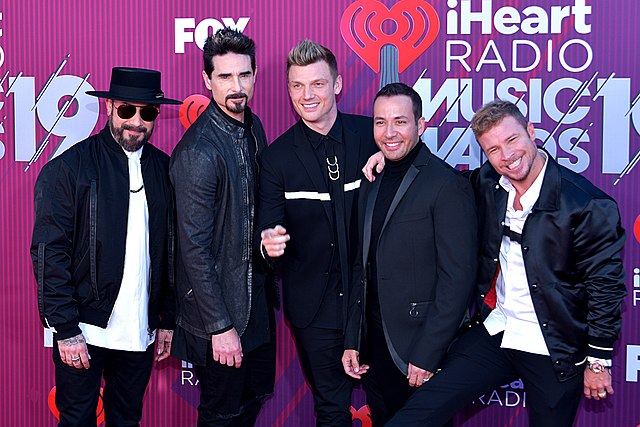
The Backstreet Boys exploded onto the U.S. music scene in the late ‘90s and became the quintessential boy band of the era. With hits like “I Want It That Way” and “Quit Playing Games (With My Heart),” they combined tight harmonies, polished choreography, and mass appeal. Their debut U.S. album went multi-platinum, proving boy bands could dominate pop charts and album sales alike. They helped usher in a wave of similar groups and redefined what a modern pop act could be. Their impact extended beyond music into merchandising and pop culture, and they set the blueprint for boy band success. Even today, their influence can be seen in acts like BTS and One Direction. They weren’t just a band—they were a movement, bringing boy band fever to the mainstream and proving pop music could be both commercially viable and fan-obsessed.
2. NSYNC
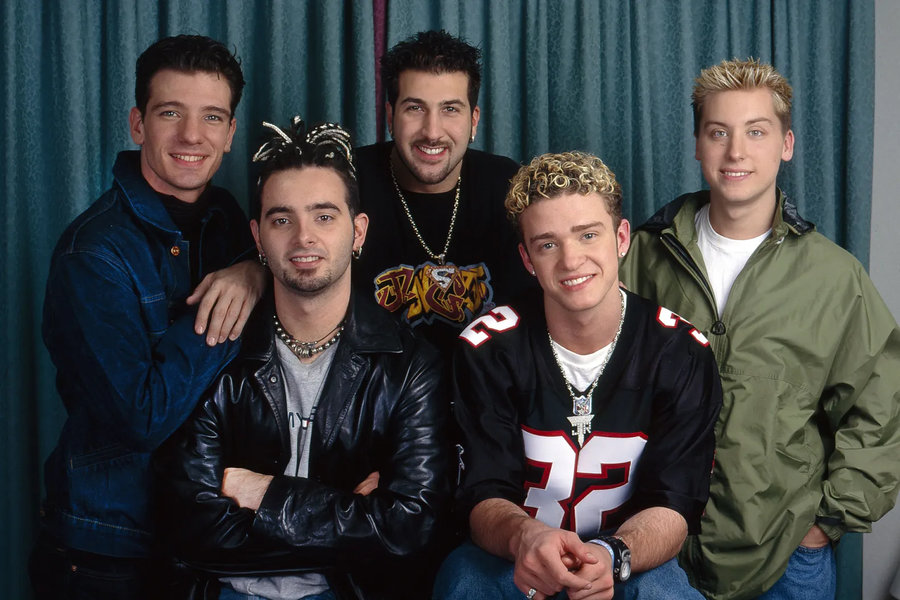
Led by Justin Timberlake, *NSYNC burst onto the scene with high-energy performances and chart-topping hits like “Tearin’ Up My Heart” and “Bye Bye Bye.” What set them apart was their perfect blend of vocal harmony, slick production, and crossover appeal. Their second album, “No Strings Attached,” broke sales records and solidified their place in pop history. They proved that a boy band could rival any rock or hip-hop act in popularity and sales. *NSYNC’s concerts were grand spectacles that showcased their charisma and vocal talent. Beyond music, they became fashion icons and media personalities. Justin Timberlake’s solo success further highlighted the group’s talent and credibility. *NSYNC brought a slightly edgier and more mature tone compared to their peers, broadening the genre’s appeal. Their cultural influence continues to be felt, with fans still reminiscing about their epic music videos and unforgettable MTV performances.
3. Boyz II Men
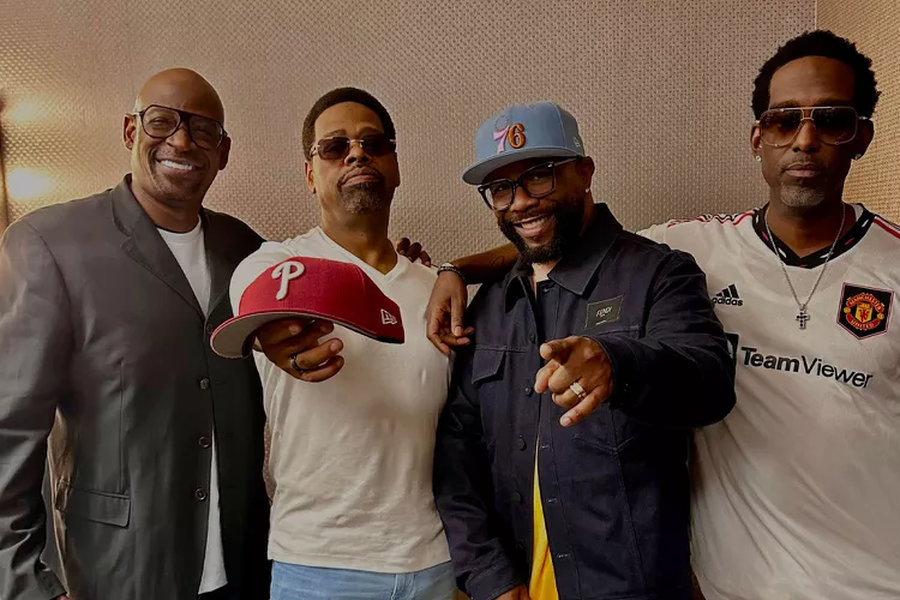
Boyz II Men weren’t your typical boy band—they brought soulful R&B into the mix with flawless harmonies and heartfelt lyrics. Songs like “End of the Road” and “I’ll Make Love to You” became instant classics and topped charts for weeks. Their smooth style and emotionally rich ballads redefined the boy band template by incorporating real musical depth and vocal artistry. They were one of the first groups to prove that a boy band could be critically respected while also achieving commercial success. Boyz II Men bridged the gap between traditional R&B and mainstream pop, influencing both genres in the process. Their impact is especially evident in how many later boy bands adopted their emotional intensity and vocal complexity. They also won multiple Grammy Awards, cementing their status as both pop icons and musical legends. In many ways, they laid the foundation for the ‘90s boy band boom.
4. New Kids on the Block
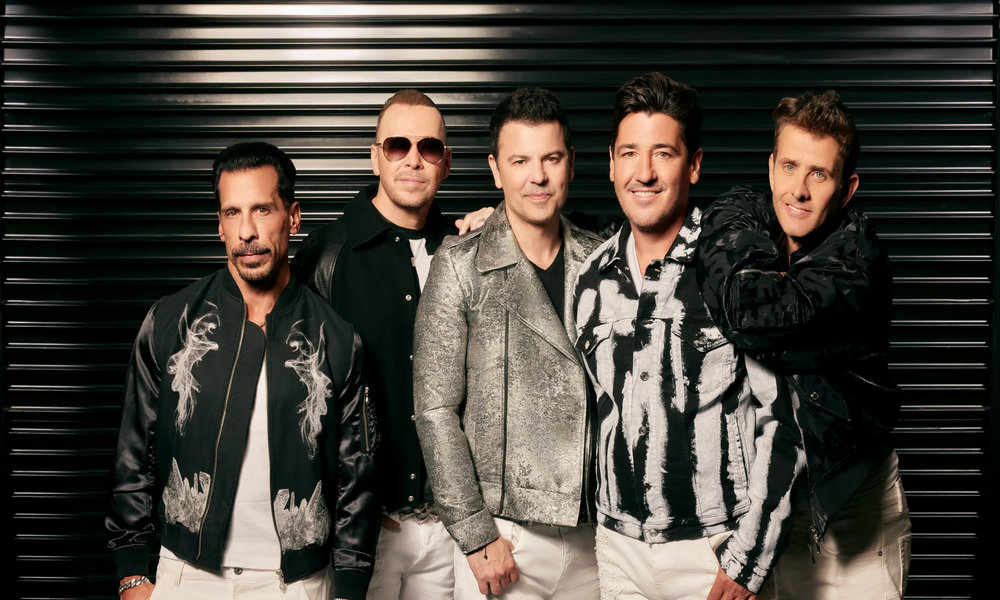
Although their biggest hits came in the late ‘80s, New Kids on the Block had a lasting impact well into the ‘90s. As one of the first modern boy bands, they set the stage for all who followed. With hits like “Step by Step” and “You Got It (The Right Stuff),” they perfected the formula of coordinated dance routines, catchy hooks, and boy-next-door charm. Their massive tours and merchandising empires showed just how lucrative boy band fandom could be. NKOTB helped pioneer the teen pop explosion, proving that groups targeting younger audiences could achieve mainstream success. Their influence is visible in every boy band that came after them—from their fashion sense to their stage presence. While their popularity dipped in the mid-‘90s, their legacy endured, especially through reunion tours and nostalgic resurgence. They were the prototype, and every boy band owes them a debt of gratitude.
5. 98 Degrees
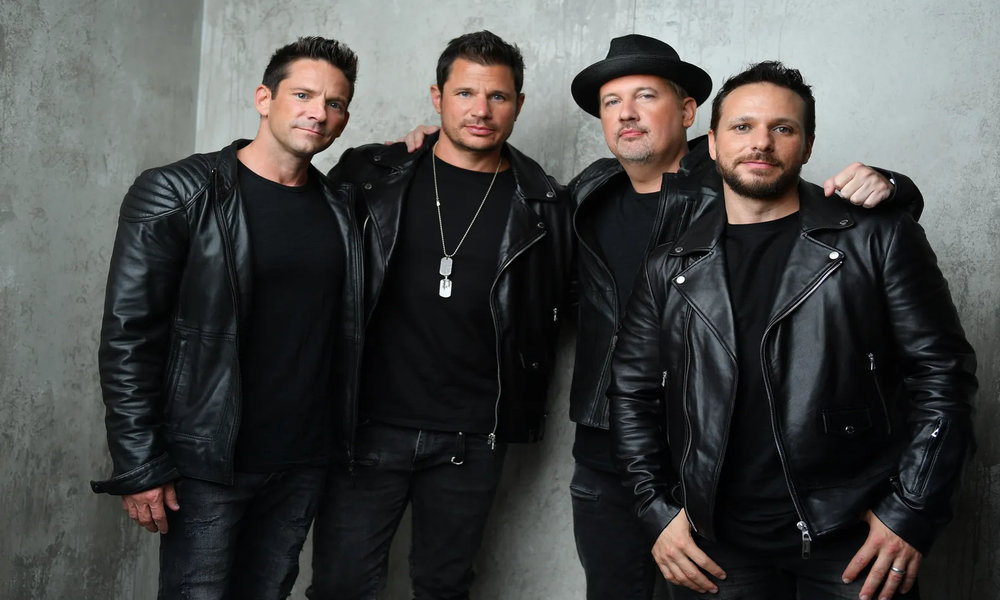
While 98 Degrees didn’t reach the same dizzying heights as *NSYNC or the Backstreet Boys, they carved out a unique space in the late ‘90s pop scene. Known for their rich harmonies and romantic ballads, hits like “Because of You” and “I Do (Cherish You)” made them a staple of prom playlists and love song compilations. Unlike many of their peers, 98 Degrees had more control over their music and image, which gave them a more authentic feel. Their clean-cut looks and soulful sound appealed to a slightly older demographic, giving them a distinct fan base. They didn’t rely heavily on gimmicks or over-the-top performances—instead, they let their vocals shine. Their contribution to ‘90s music was subtle but important, showing that there was room for variety within the boy band phenomenon. They also helped pave the way for the adult-contemporary pop sound that emerged in the 2000s.
6. Hanson
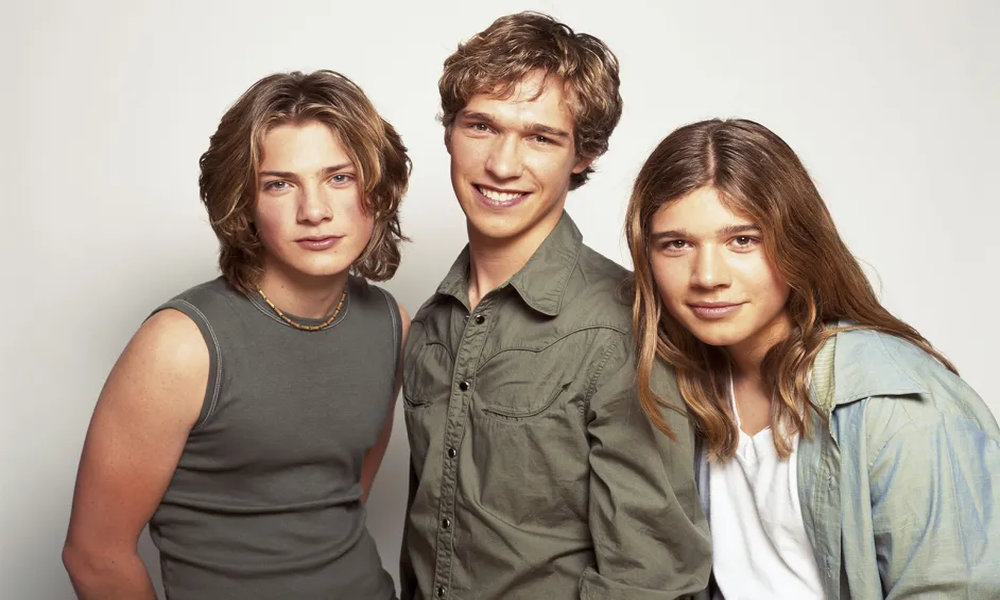
Hanson may not fit the typical boy band mold, but they captured the essence of ‘90s teen pop with their breakout hit “MMMBop.” The three brothers from Oklahoma—Isaac, Taylor, and Zac—brought youthful energy and musicianship to the genre. Unlike most boy bands, Hanson wrote their own songs and played their own instruments, which earned them critical respect in addition to massive commercial success. “Middle of Nowhere,” their debut album, was a global sensation, and their fresh-faced image made them teen magazine staples. Hanson showed that musical talent and mainstream appeal didn’t have to be mutually exclusive. Their early success inspired a wave of young pop acts to pick up instruments and take creative control. While their popularity peaked quickly, they’ve maintained a loyal fan base and continued to make music on their own terms. Hanson’s impact lies in proving that boy bands could be both genuine and chart-topping.
7. LFO (Lyte Funkie Ones)

LFO brought a fun and quirky flavor to the late-‘90s boy band scene. Best known for their summer anthem “Summer Girls,” with its famously oddball lyrics (“I like girls that wear Abercrombie & Fitch”), they weren’t aiming for deep emotional ballads—they were all about feel-good vibes. What made LFO special was their laid-back charm and offbeat style that set them apart from the more polished, choreography-heavy groups of the time. They fused pop, rap, and light rock into a unique blend that gave them crossover appeal. While their time in the spotlight was brief, their music remains a nostalgic time capsule of late ‘90s teen culture. They proved that even within the boy band genre, there was room for experimentation and personality. Despite not reaching the megastar status of their peers, LFO left a memorable mark and earned a devoted fan base who appreciated their originality.
8. 5ive
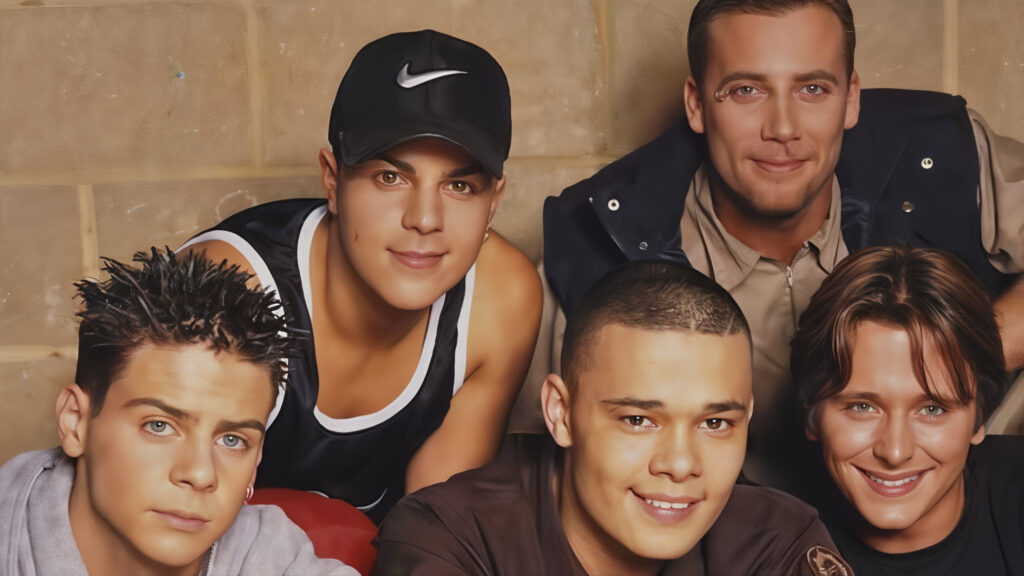
British imports 5ive added a tougher, more urban edge to the boy band world. Though they were more popular in the UK, they had a solid U.S. following thanks to hits like “When the Lights Go Out.” Their style blended pop with hip-hop beats and a rebellious attitude, making them stand out from the clean-cut image of most American groups. 5ive’s music was punchy, energetic, and often featured rap verses—something rare in the boy band realm at the time. They brought a rough-around-the-edges dynamic to the scene, appealing to fans who wanted something a bit grittier. While their U.S. presence was relatively short-lived, they influenced how future boy bands could incorporate edgier elements into their image and sound. 5ive showed that boy bands didn’t have to fit into a single mold—they could be loud, brash, and still deliver catchy, chart-topping pop.
9. Take That
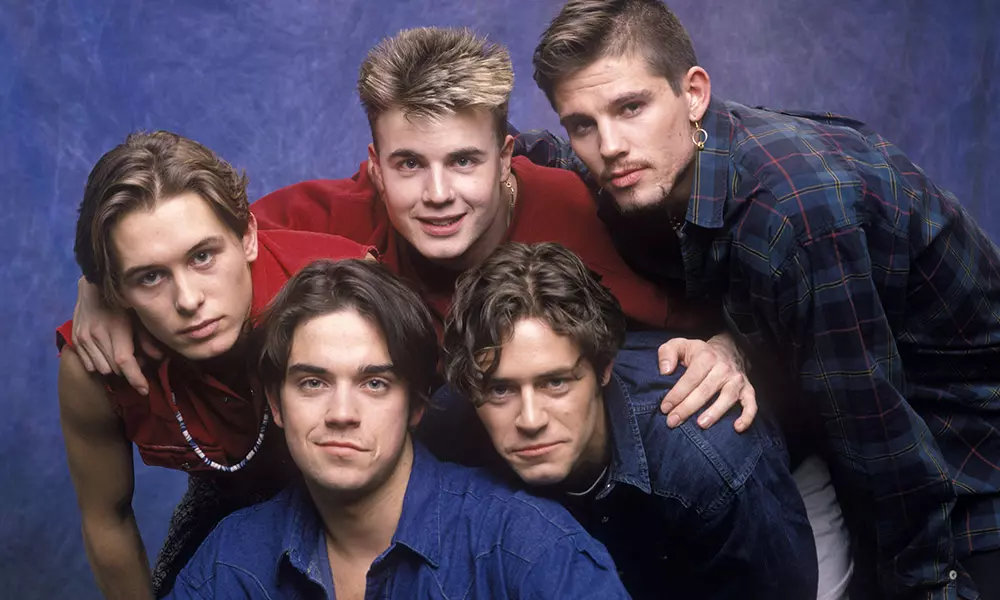
Although Take That found most of their success in the UK, their influence rippled into the U.S. boy band scene in the ‘90s. With Gary Barlow’s songwriting and Robbie Williams’ charisma, they were one of the first to merge emotional songwriting with pop theatrics. Their ballads like “Back for Good” gained international recognition and hinted at the evolving sophistication of boy band music. Take That’s model of blending introspective lyrics with wide-appeal melodies was something that many U.S. bands later adopted. They weren’t just about dancing and charm—they were about storytelling and musical growth. While they never became a household name in the U.S., their legacy influenced how American boy bands approached maturity in their sound and image. Take That laid the groundwork for the idea that boy bands could grow up—and grow musically—with their audience, something later bands like *NSYNC and the Backstreet Boys would do.
10. Dream Street
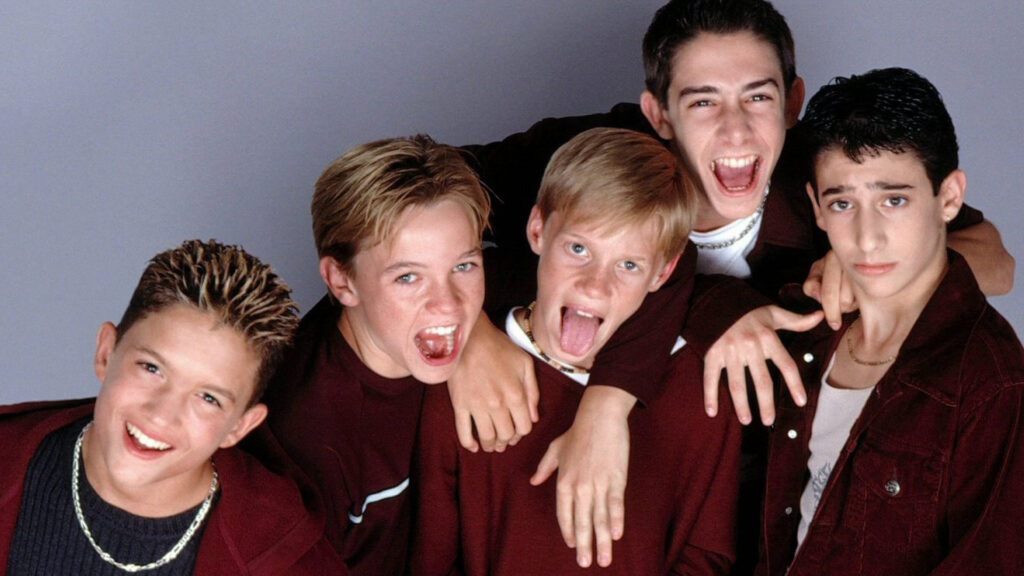
Dream Street was a short-lived but impactful boy band that catered primarily to the preteen demographic. With members like Jesse McCartney—who would later enjoy a successful solo career—the group delivered bubblegum pop with infectious energy. Songs like “It Happens Every Time” and “I Say Yeah” were staples on Radio Disney and teen magazines. While they didn’t dominate the mainstream charts, Dream Street’s impact lay in introducing younger audiences to pop music and priming them for the broader boy band world. They represented a new generation of pop stars, bridging the gap between child stardom and teen idol. Their presence on TV, music videos, and fan events made them incredibly influential in youth pop culture. Though their run was brief, they played a key role in maintaining the momentum of boy band mania into the early 2000s and demonstrated the genre’s ability to continually reinvent itself for new audiences.


